Headphone Ranker
Headphones, actually compared. Every earbud, over-ear, and open-ear worth buying — side-by-side on the numbers that matter: battery life, noise cancelling, codecs, multipoint, water resistance, and price.
Browse HeadphonesFind Your Next Headphones
Compare earbuds, over-ears, and open-ear headphones by brand, type, noise cancelling, and price. Select up to 3 to compare side-by-side.
60 headphones found

Beyerdynamic
Beyerdynamic DT 770 Pro (80 Ohm)
The DT 770 Pro's velour earpads and gentle clamp make it the comfort benchmark among closed studio headphones — people track drums in these for eight-hour days. The 80-ohm version is the sweet spot for home studios, but be honest about power: a phone or thin laptop jack will get it loud-ish, while an audio interface or small amp is what brings the bass control and volume headroom it's built for. The tuning is V-shaped for a monitor: elevated lows, slightly recessed mids, and a treble spike around 8kHz that bothers treble-sensitive listeners. Isolation is excellent for tracking. The build is famously serviceable — every part is replaceable — but the 3-meter cable is hard-wired and non-detachable, which feels dated at this price. Made in Germany and commonly seen still working after 15 years.

Audio-Technica
Audio-Technica ATH-M50x
The M50x has been the default first studio headphone recommendation for over a decade, and it mostly earns it. At 38 ohms and 99dB sensitivity it runs happily from a phone dongle or laptop — no amp needed. The tuning is punchy rather than flat: a mid-bass bump and forward treble that flatter hip-hop and electronic more than they serve critical mixing. What owners actually rave about is the build — these fold flat, shrug off years of backpack abuse, and take three detachable cables. The coiled cable is the classic complaint: it's heavy enough to tug on your head, so most people live on the straight ones. The pleather earpads run hot, clamp firmly on larger heads, and start flaking around year two or three; replacements are cheap and considered routine maintenance by long-term owners.

Sony
Sony MDR-7506
The MDR-7506 has been hanging in broadcast booths and video rigs since 1991, and almost nothing about it has changed — including the flaws. At 63 ohms and 106dB/mW it's sensitive enough that any camera, mixer, or phone drives it fine without an amp. The sound is bright and detail-forward: sibilance, hum, and edit points jump out, which is exactly why engineers love it and casual listeners sometimes find it fatiguing. The 230g folding frame is featherweight for all-day wear. Two gripes come up constantly: the 3-meter coiled cable is permanently attached and heavy for desk use, and the stock earpads famously disintegrate into black flakes within a year or two — nearly every long-term owner ends up buying aftermarket pads and considers it part of the price.

Apple
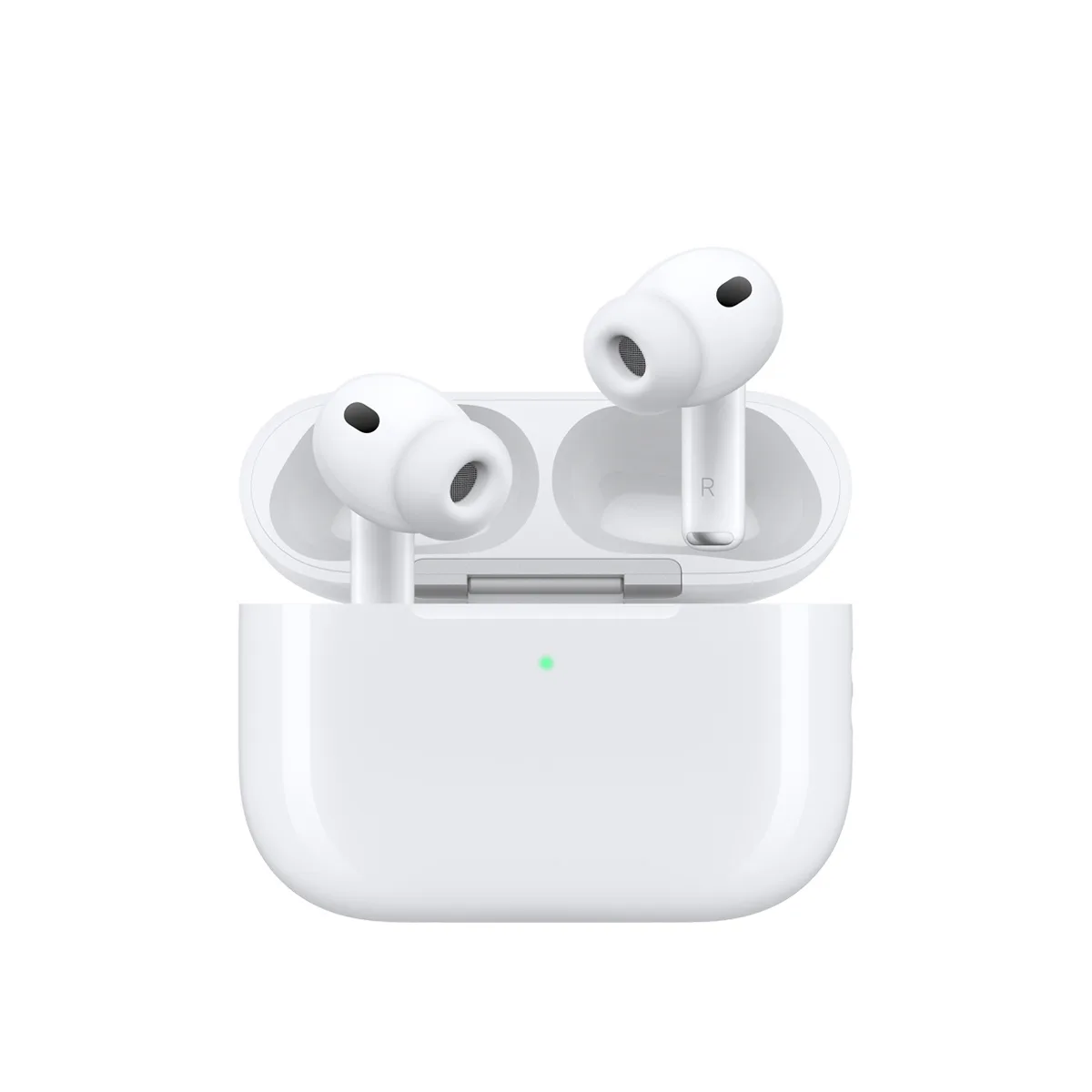
Apple AirPods Pro 3
If you live on an iPhone, these are the easy answer. Apple roughly doubled the ANC over the Pro 2, added heart-rate sensing, foam-infused tips that actually seal, and bumped water resistance to IP57 — owners consistently say the noise cancellation now trades blows with Bose. Battery went up to 8 hours per charge, though the slimmer case total actually dropped to 24 hours. The honest caveats: you're stuck with AAC (no LDAC or aptX, so Android users lose hi-res and most features entirely), there's no real EQ beyond Apple's presets, and multipoint only works as auto-switching between Apple devices. Transparency mode and call quality remain the best in the business, and the hearing-aid feature is genuinely useful. Some longtime owners still grumble about eventual battery degradation — it's not user-replaceable. On Android, buy literally anything else.

Sony
Sony WH-1000XM6
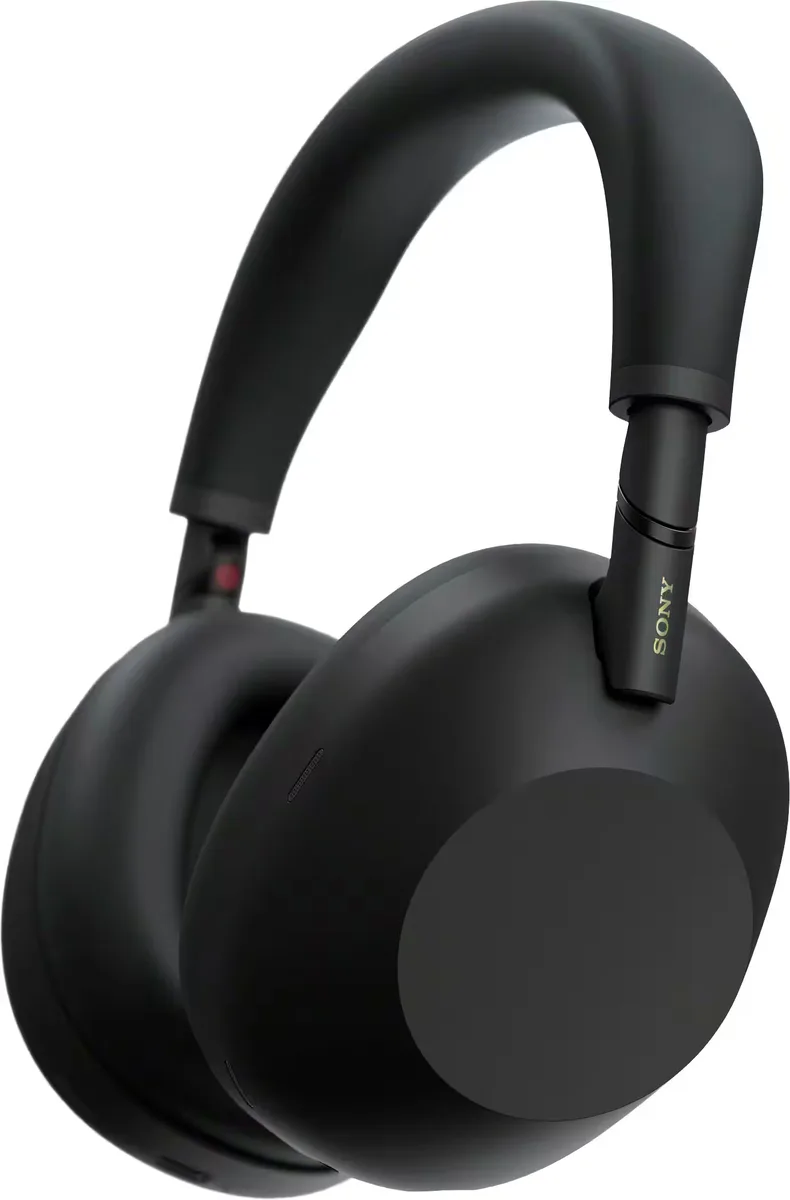
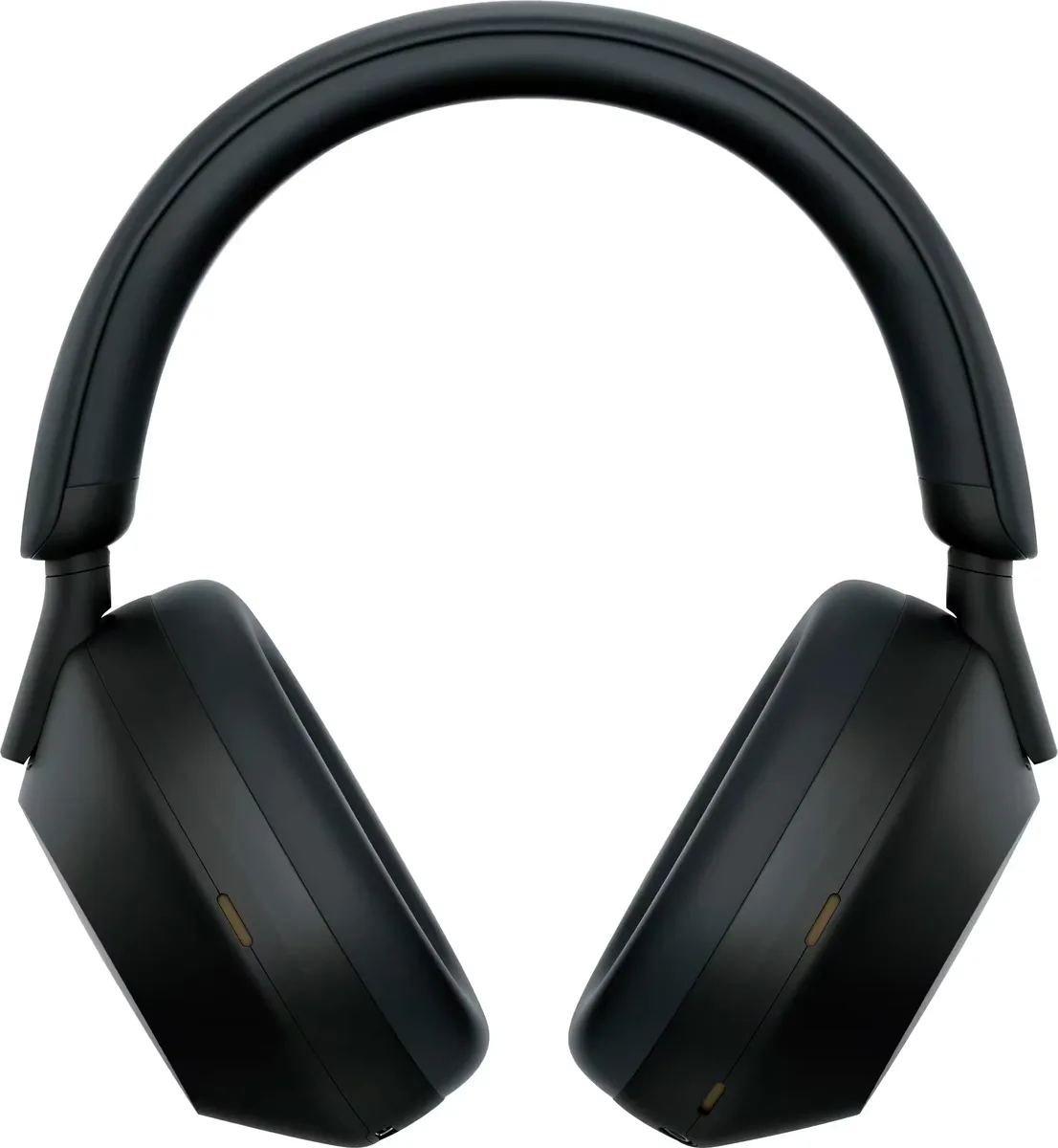
Sony's flagship fixes the XM5's two biggest sins: the folding hinges are back, and the case now closes with a satisfying magnetic clasp instead of a fiddly zipper. The QN3 chip and 12 mics deliver arguably the best ANC you can buy right now, and the wider headband spreads pressure better than the XM5 ever did. Owners' gripes are real, though: the $449 list price stings (thankfully street price has drifted to about $398), 30 hours of battery is now merely average, and running LDAC drains it noticeably faster. The matte finish picks up skin oils, and a few owners report the power button being awkwardly close to the ANC button. No aptX support, as always with Sony. Still, as a total package — sound, ANC, call quality, comfort — this is the one most people should buy.

The 2024 refresh swapped Lightning for USB-C, added new colors, and later gained lossless 24-bit/48kHz wired audio via firmware — but underneath it's still the 2020 headphone: H1 chip, Bluetooth 5.0, and the best transparency mode ever shipped. The aluminum build and knitted headband feel worth $549 (street price hovers near $450), and within the Apple ecosystem the auto-switching and Personalized Spatial Audio are magic. The flaws are equally famous: 385g is genuinely heavy for long sessions, there's no power button — just the silly Smart Case — and years of owner reports document condensation forming inside the cups, which has killed drivers out of warranty. Battery is 20 hours, worst of the flagship class, there's no app EQ, and Android users lose nearly everything. Buy it for the ecosystem and transparency, not the spec sheet.

The Tune 520BT is everywhere for a reason: it costs about $40, weighs almost nothing, and the 57-hour battery is real — owners routinely go weeks between charges. JBL's Pure Bass tuning is exactly what it sounds like, warm and bass-forward, which most casual listeners enjoy even if detail-hounds will find the treble soft. The build is entirely lightweight plastic; it survives backpacks fine but creaks a little and feels every bit its price. Being an on-ear, the pads press on your ears rather than around them, and after two or three hours that pressure gets noticeable. There's no ANC, and the thin pads leak sound both ways on a bus. Multipoint and app EQ at this price are genuinely rare, and the mic is passable for calls indoors. As cheap-and-cheerful wireless headphones go, this is the default pick.

Beats
Beats Solo 4
The Solo 4 keeps the classic Beats on-ear formula but fixes the two old sins: battery (now a huge 50 hours) and sound, which is far more balanced than the bass-cannon Solos of the 2010s while still warm. It also does something rare at any price — genuine lossless audio over USB-C or the 3.5mm jack. The honest problems: there's no ANC at a $200 list price, which is why you should only buy at the frequent $99-130 street price, and the trademark Solo clamp is still here. Comfort is fine for an hour or two, then your ears know about it, especially with glasses. There's no EQ app on either platform, and no true multipoint — you get Apple's ecosystem switching and one-touch pairing on Android instead. Personalized Spatial Audio with head tracking works great on iPhone. Fit-dependent, but the battery is untouchable.

Sennheiser
Sennheiser HD 599 SE
The HD 599 SE is the Amazon-exclusive black version of Sennheiser's long-running open-back, and it's the classic gateway into open-back listening. At 50 ohms with high sensitivity it runs fine straight from a laptop or phone dongle — no amp required, despite what forums imply. The sound is warm, smooth, and wide, with relaxed treble that's easy for hours; bass rolls off at the bottom like most open-backs, and everyone around you hears your music, so it's a quiet-room headphone only. At 250g with velour pads, comfort is superb even for glasses wearers. Two cables (6.3mm and 3.5mm) are included. Pricing is the thing to know: it lists around $160 but has dropped to roughly $100 many times, so patient buyers should never pay full price. Pads and cables are replaceable.

Seventeen dollars gets you Apple's wired earbuds with a small DAC built into the USB-C plug, which is quietly the whole story: they bypass your phone's jack-less design and play at full volume from any USB-C phone, iPad, or laptop — an amp is beside the point, and Apple doesn't even publish an impedance figure. The open, unsealed fit is love-it-or-hate-it: no silicone tips to fuss with and you can hear traffic, but there's zero isolation and bass is thin unless they happen to fit your ears just right. The inline remote and mic are genuinely good — many people keep a pair purely for calls because they beat most Bluetooth mics. Longevity is fine but not endless; the cable survives pockets better than the old 3.5mm version, and at this price they're effectively disposable.

iClever
iClever BTH12
The BTH12's rainbow LED earcups are the reason kids pick it off the shelf, and the reason it wins flights: iClever claims 85 hours with the lights off, and owners report the lights-on number is closer to 50 — still enough for a week of travel. It's Bluetooth 5.2 (SBC audio, which is fine at this level) with a USB-C fast charge that banks about seven hours in ten minutes. The volume limiter toggles between 74 and 85dBA, and here's the caveat every parent should know: plug in the included aux cable and the limiter depends on the source device, so wired mode can get louder than the caps suggest. Fit runs small-to-medium — great for toddlers through early grade school, snug on big kids. Padding is decent, build is plasticky but has survived plenty of backpack abuse.

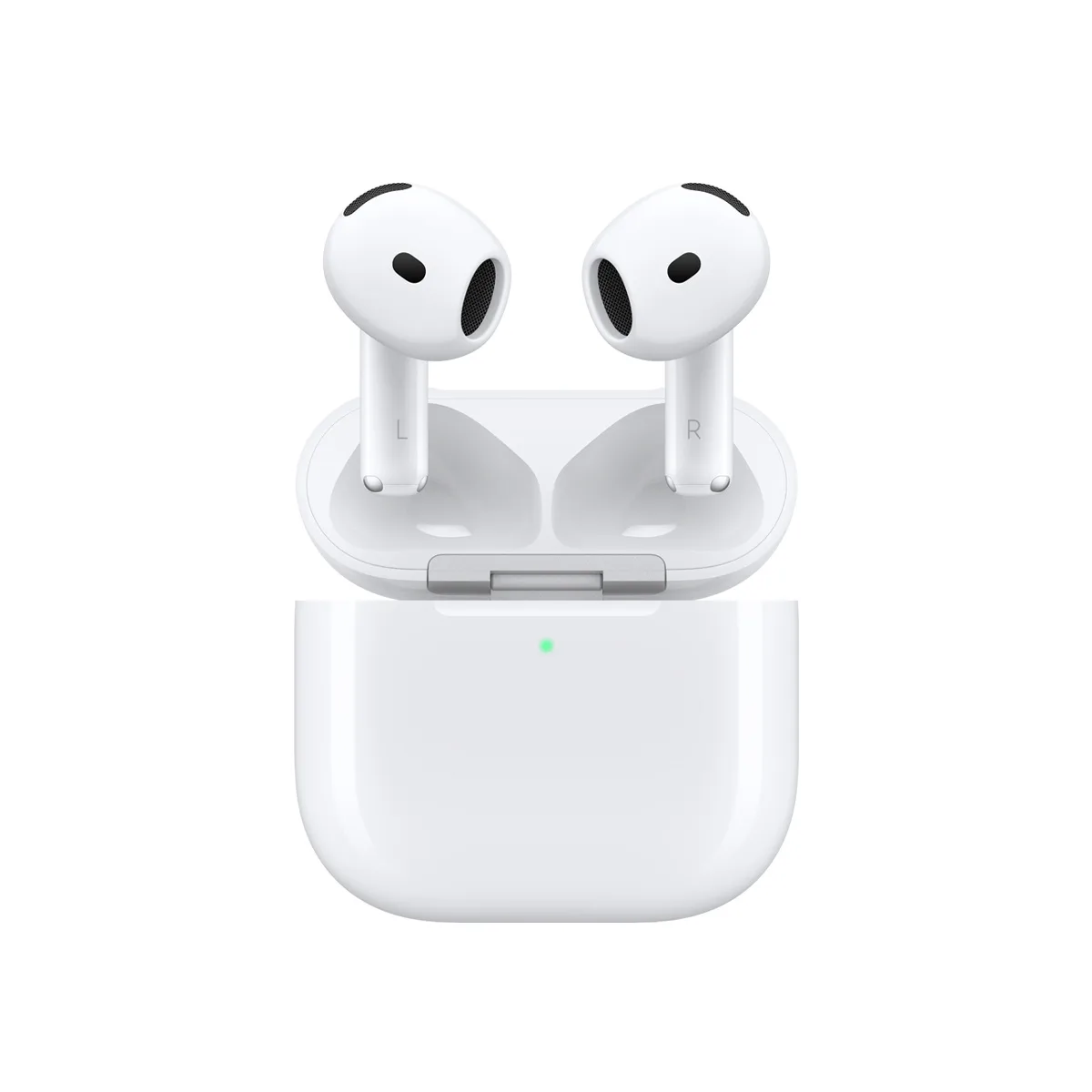
These are for people who hate silicone ear tips but still want some noise cancellation — and on that narrow promise they deliver. ANC on an open-fit earbud shouldn't work as well as it does here; it takes the edge off planes and offices, though physics means it can't touch a sealed bud like the Pro 3, and bass depends entirely on how the hard plastic sits in your particular ears. That's the real gamble: fit is a lottery, and if AirPods have never stayed put for you, nothing changed. Battery is the other weak spot — 4 hours with ANC on is bottom of the class. Call quality is excellent, the H2 chip does Adaptive Audio and Conversation Awareness, and the ANC version of the case adds wireless charging and a Find My speaker. AAC-only and no EQ app, as always with Apple.

The October 2025 refresh of Bose's flagship trades the first gen's 24-hour battery for a proper 30 hours, adds USB-C lossless audio, and keeps the noise cancellation that trades blows with Sony's XM6 — many owners still call Bose the champ on airplane drone. CustomTune calibrates ANC to your ears every time you put them on, and Immersive Audio is genuinely convincing, though running it drops battery to about 23 hours. The catches owners cite: there's no true 'ANC fully off' mode (Aware or Quiet, always processing), the Bose app remains the flakiest of the big three with occasional firmware-update drama, and the mostly plastic build feels less premium than the $369-449 price suggests. Bass is tuned politely compared to Sony. If long-haul noise floor is your top priority, this is still the safest pick in the category.

This is the QC45's successor and the sensible Bose: physical buttons instead of touch surfaces, a design that folds flat and small, 240g of legacy QuietComfort comfort, and about 90% of the Ultra's noise cancellation for roughly $229 on sale (from a $349 list). Owners love that it just works — clicky buttons you can find with gloves on, adjustable ANC modes, and a 3.5mm jack for airplane systems. What you give up versus the Ultra line: no Immersive Audio, no aptX (SBC/AAC only), Bluetooth 5.1, and a plasticky build that creaks a little if you flex it. The 24-hour battery is fine but behind the pack, and the sound is classic polite Bose — smooth, a bit soft in the treble, helped by the app's simple 3-band EQ. A boring, excellent commuter headphone.

Bowers & Wilkins
Bowers & Wilkins Px7 S3
If sound quality is the tiebreaker, the Px7 S3 wins this bracket for a lot of ears. Redesigned 40mm bio-cellulose drivers with dedicated amplification and 24-bit DSP deliver a dynamic, textured presentation that reviewers repeatedly rank above the XM6, and aptX Lossless support sweetens it for Snapdragon phone owners. The fabric-and-metal build looks properly premium, physical buttons beat touch panels, and the 8-mic ANC took a real step forward — competitive now, though still a notch behind Bose on a plane. Owner grievances: it launched with spatial audio 'coming soon,' which only arrived via the 1.4.0 firmware in February 2026, and promised LE Audio/Auracast support is still pending. The case is bulky since nothing folds, clamp is on the firm side for big heads, and at roughly $399-449 it's priced against more feature-complete rivals.

Beats
Beats Studio Pro
At its $349 list price the Studio Pro was a hard sell; at the $170 it now regularly hits on Amazon — clearance pricing as a successor looms — it's one of the best deals in ANC headphones. The custom 40mm drivers are far better tuned than old Beats, the USB-C port doubles as a lossless DAC with three sound profiles, and it's the rare headphone with first-class features on both iOS (one-tap pairing, Personalized Spatial Audio, Find My) and Android (Fast Pair, Google Find Hub). The corners cut are obvious in daily use: no wear detection, no multipoint, no user EQ, and the design is unchanged 2017 plastic with a headband that transmits clamp to the top of your head. Ear cushions aren't user-replaceable and the pleather runs sweaty. Fine trade-offs at this price.

The Tune 770NC gives you adaptive ANC, multipoint, and a 44-hour ANC-on battery (70 hours off) for well under $100 on sale, which is the whole pitch. The noise cancelling meaningfully quiets plane drone and HVAC hum, but it's a clear step behind Bose or Sony's flagships and can turn blustery outdoors in wind. Pure Bass tuning is again bass-first; the JBL Headphones app EQ helps rein it in. Comfort is decent at 232 grams, though the pads are on the shallow side and larger ears can brush the inner plate. Build is functional folding plastic — the hinges feel like the long-term weak point, and headband padding is thin. Ambient Aware and TalkThru work well enough for airport announcements. Call quality is average: fine indoors, rough on a windy street. If you want name-brand adaptive ANC at a Soundcore price, this is JBL's answer.

Soundcore
Anker Soundcore Life Q30
The Life Q30 might be the most-reviewed ANC headphone on Amazon — over 56,000 ratings and still around $60 — and it earned that by doing everything acceptably. Hybrid ANC takes a real bite out of engine rumble, the 40-hour ANC-on battery outlasts a workweek, and the app's custom EQ plus HearID can fix the muddy, bass-bloated stock tuning. And it is muddy out of the box; don't skip the EQ step. The compromises are real: Bluetooth 5.0 with SBC/AAC only, no transparency mode, poor wind handling, and a mic that callers describe as distant. The pleather pads get sweaty and start flaking after a year or two of daily use, and the plastic headband has a known crack point near the hinges. Even so, nothing else under $70 is this complete, which is why it refuses to die.

Sony
Sony WH-CH520
At its near-permanent $38 Amazon price, the WH-CH520 is the sensible default for anyone who just needs wireless headphones that work. You get a 50-hour battery, real multipoint, and — unusually at this price — the full Sony Headphones Connect app with custom EQ and 360 Reality Audio certification. The stock tuning is surprisingly even for the money; a little EQ warms it up nicely from the 30mm drivers. The trade-offs are exactly what you'd guess: an all-plastic build that feels light rather than premium, thin on-ear pads that get fatiguing past a couple of hours, zero noise isolation to speak of, and no ANC. The one genuinely annoying omission is a 3.5mm jack — when the battery dies, it's a paperweight until you charge it. The mic is serviceable for quiet-room calls. As a beater pair, it's nearly impossible to beat.

1MORE
1MORE SonoFlow
The SonoFlow built its reputation on one absurd stat — 50 hours with ANC on, 70 without — and on sounding more grown-up than most budget cans thanks to 40mm DLC drivers and LDAC support, all at a street price around $50-70. The default tuning is warm and pleasant with slightly recessed treble; the 1MORE Music app leans on a pile of presets, and its EQ options are clunkier than Soundcore's. The ANC is solidly mid-tier: fine for an office or bus, not a plane-silencer, and QuietMax hype aside it lags the Space Q45. Multipoint exists but lives in the app's experimental settings and can be flaky when switching devices, and firmware updates through the app fail more than they should. The pads are plush and the 250-gram fit is easy, though the folding hinges feel plasticky. Battery is the headline, and it truly delivers.

Shokz
Shokz OpenRun Pro 2
The best bone-conduction headphones you can buy, and the first Shokz that don't feel like a compromise. The trick is DualPitch: bone conduction handles mids and highs while a small air-conduction driver fills in bass, which mostly kills the cheek-tickle older models gave you at high volume. Weight is 30.3g for the whole titanium band, and Shokz finally switched to USB-C after years of proprietary cables. Twelve hours of battery is genuinely enough for an ultra, and a 5-minute charge buys 2.5 more hours. Reality check: it's SBC-only, sound leakage is real in a quiet room, and IP55 means sweat and rain, not swimming — get the OpenSwim for laps. The band stacks with sunglasses fine, though helmet straps can be fiddly. If you need to hear traffic while running, this is the category benchmark.

Six years after the original, Apple rebuilt its gym icon around the H2 chip, and it shows: real ANC and Transparency (rare in an earhook design), Personalized Spatial Audio, and optical heart-rate sensors in each bud that broadcast to gym equipment and fitness apps. The redesigned nickel-titanium hooks are lighter and lower-profile, the buds weigh 8.7g, and the case — now with wireless charging — shrank dramatically. Battery is 10 hours per bud (closer to 8 with ANC on) and 45 total. The gripes owners actually report: IPX4 is thin for a sweat-focused product, there's no traditional multipoint (Apple-ecosystem switching only), Android users lose Spatial Audio and heart-rate-to-app support, and there's no EQ anywhere. Fit with glasses takes negotiation, as with any hook. At the frequent $200 street price these are the default serious-training buds for iPhone owners.

JLab
JLab Go Air Pop+
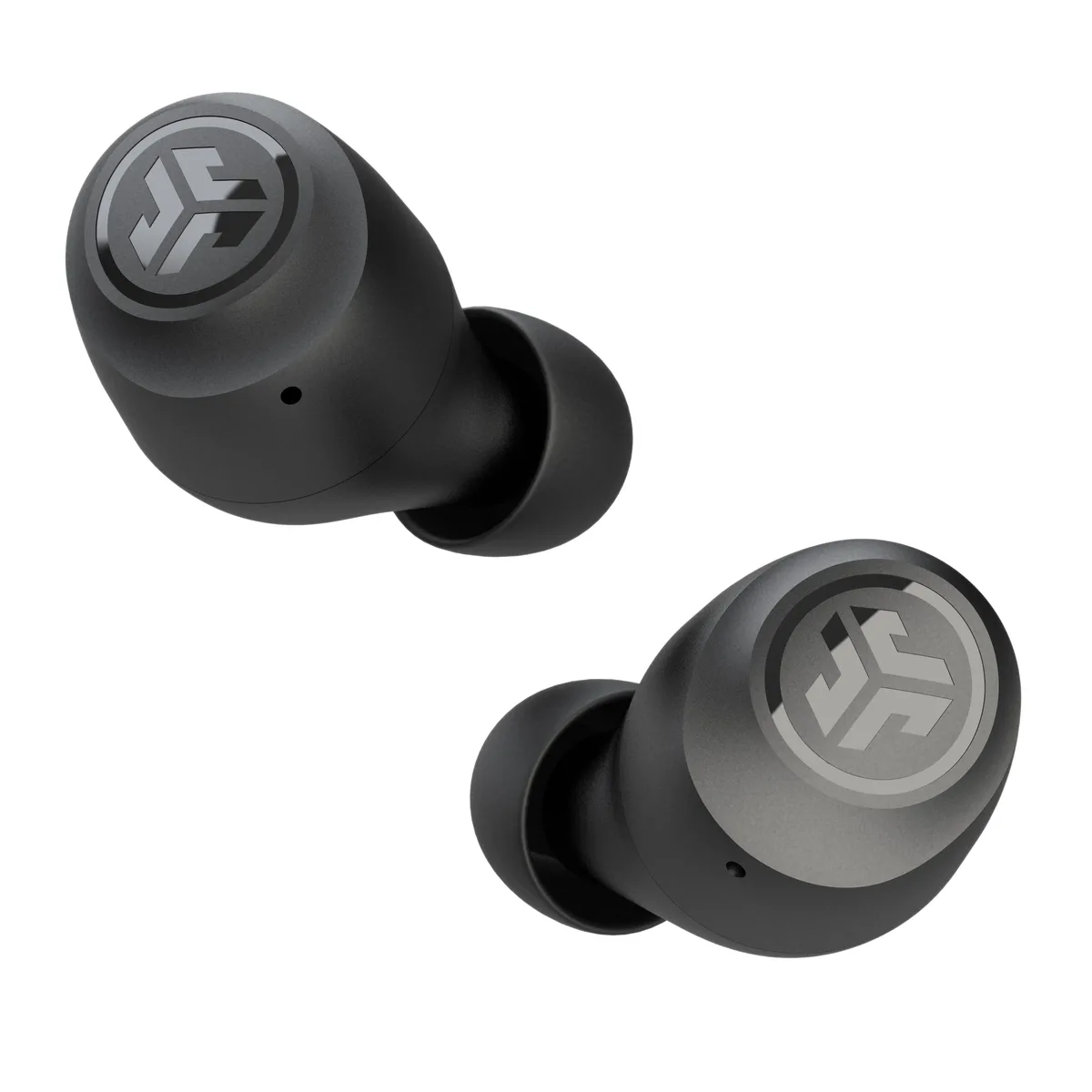
JLab's follow-up to the mega-selling Go Air Pop keeps everything that made the original a default recommendation: tiny buds, a case with the USB-C cable integrated right into it, and 9 hours per charge with 35 total. New here are Bluetooth 5.3, Google Fast Pair, and full custom EQ through the JLab app instead of just the old three-preset EQ3 cycling. Owners are blunt about the tradeoffs: the mics are rough on calls and nearly unusable in wind, touch controls trigger accidentally when you adjust a bud, and there's no ANC, ambient mode, or multipoint — Dual Connect just means either bud works solo. Bass-forward tuning suits gym playlists more than acoustic tracks. At around $25 with 16,000-plus ratings averaging 4.4 stars, they're the safest ultra-cheap buds on Amazon.

Soundcore
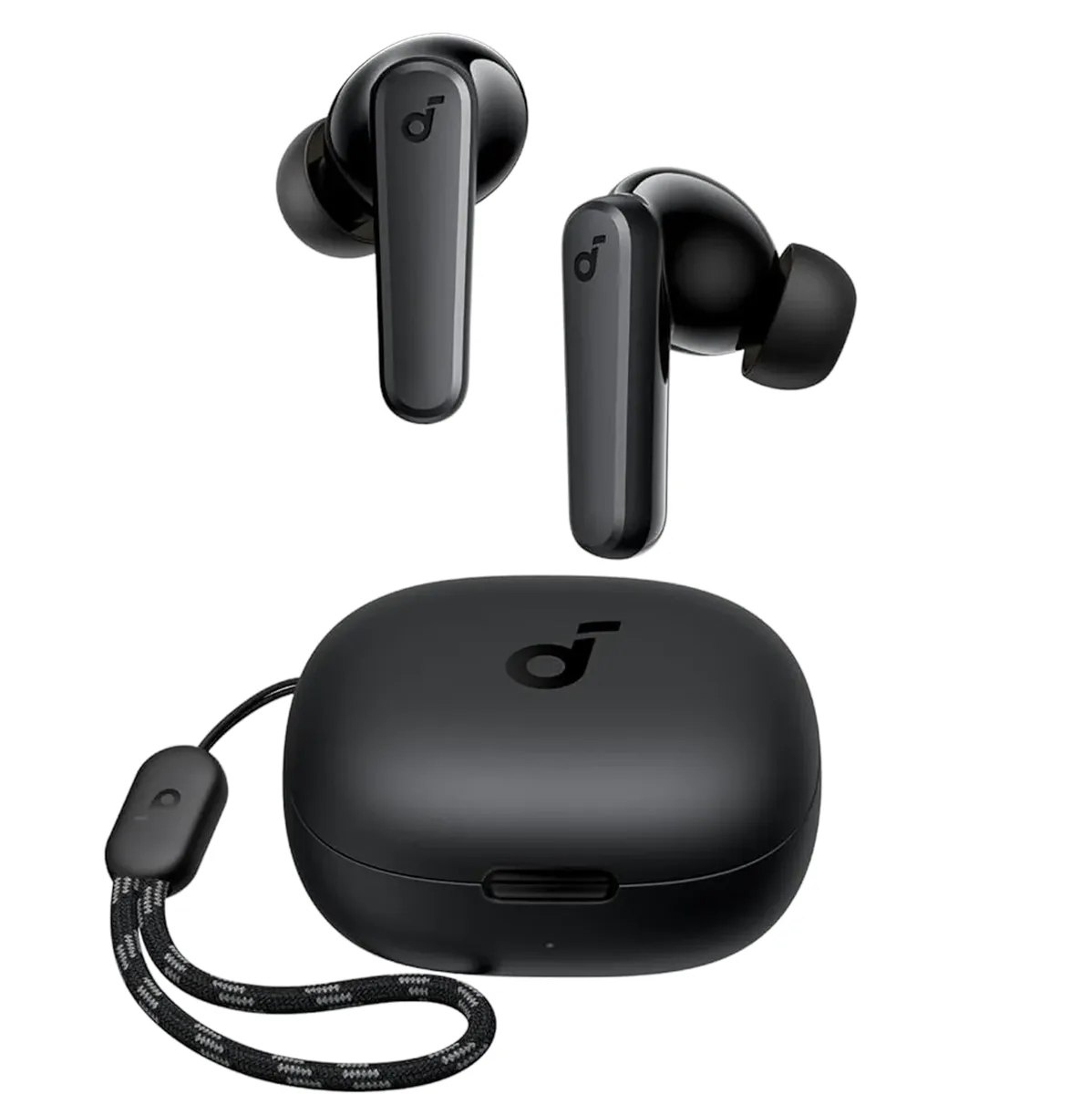
Anker Soundcore P20i
The P20i is what happens when Anker optimizes purely for the Amazon search results page: $20, 10-hour buds, big 10mm drivers, and over 90,000 ratings. For casual listening it genuinely delivers — bass-heavy out of the box, but the Soundcore app's 22 EQ presets tame it, and IPX5 handles sweat fine. Know what you're skipping: no ANC, no transparency mode, no multipoint, no wireless charging, and the pebble-shaped buds are bulky enough that smaller ears struggle to get a stable seal. Call quality is passable indoors and falls apart outside in wind despite the 'AI clear calls' marketing. Long-term owners mostly report the batteries holding up, though a vocal minority see one bud draining faster after a year. As a first pair or a beater set, nothing at this price is more proven.

EarFun
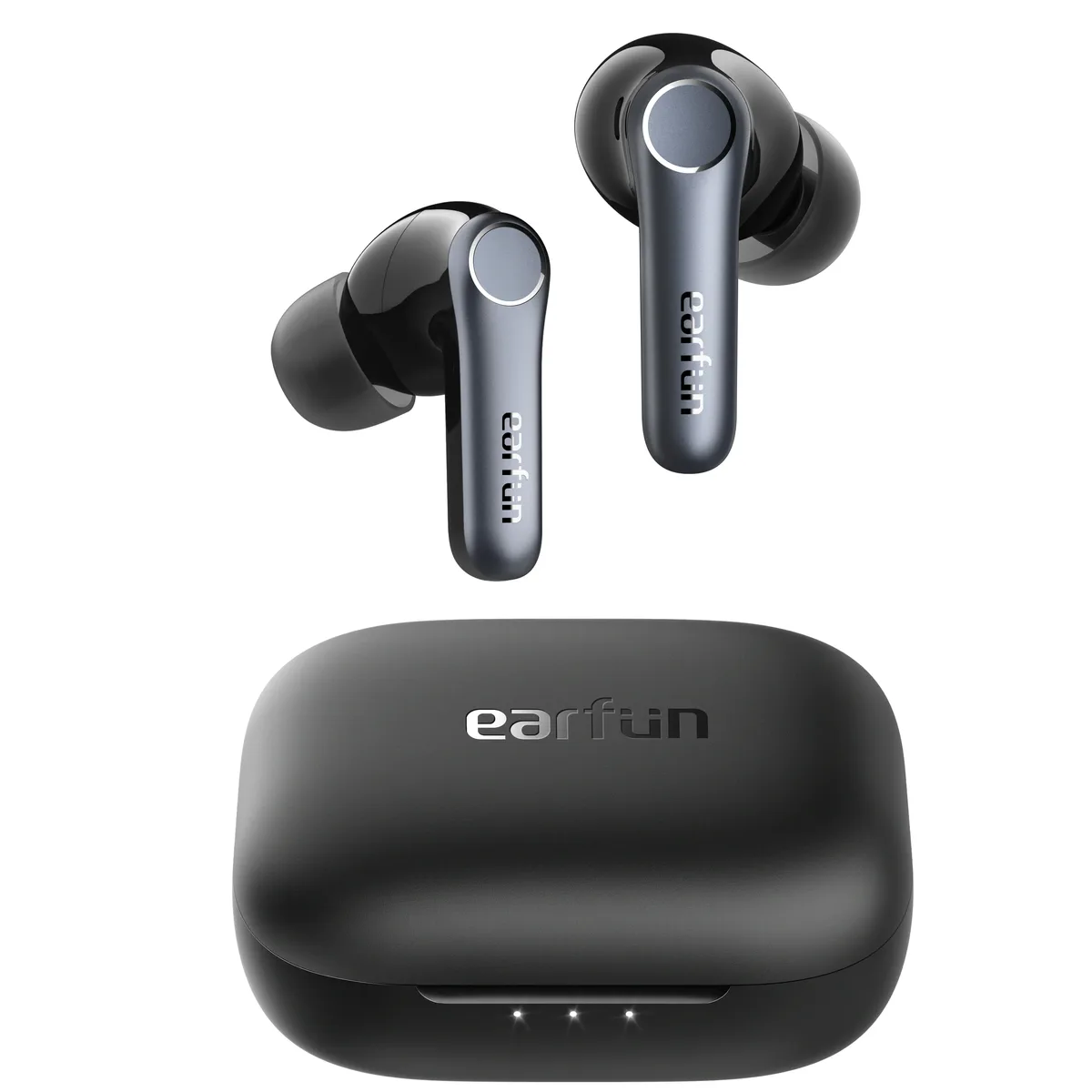
EarFun Air Pro 4
EarFun's Air Pro 4 is the codec nerd's budget pick: aptX Lossless with Snapdragon Sound, LDAC, LE Audio, Bluetooth 5.4, multipoint, wireless charging, and in-ear detection — a list normally reserved for $200 buds. Adaptive ANC is solid if a step behind Bose, and battery is excellent at 7.5 hours with ANC on (11 off) and 52 total. Honest downsides owners flag: the default tuning is heavily bass-boosted until you EQ it in the app, the six-mic array still transmits wind noise on outdoor calls, the Theater Mode spatial effect thins out fidelity and feels like a gimmick, and the glossy shells show every fingerprint. Firmware updates install one bud at a time and take patience. If you're on Android with an aptX or LDAC phone, nothing under $70 extracts more from a Bluetooth pipe.

TOZO
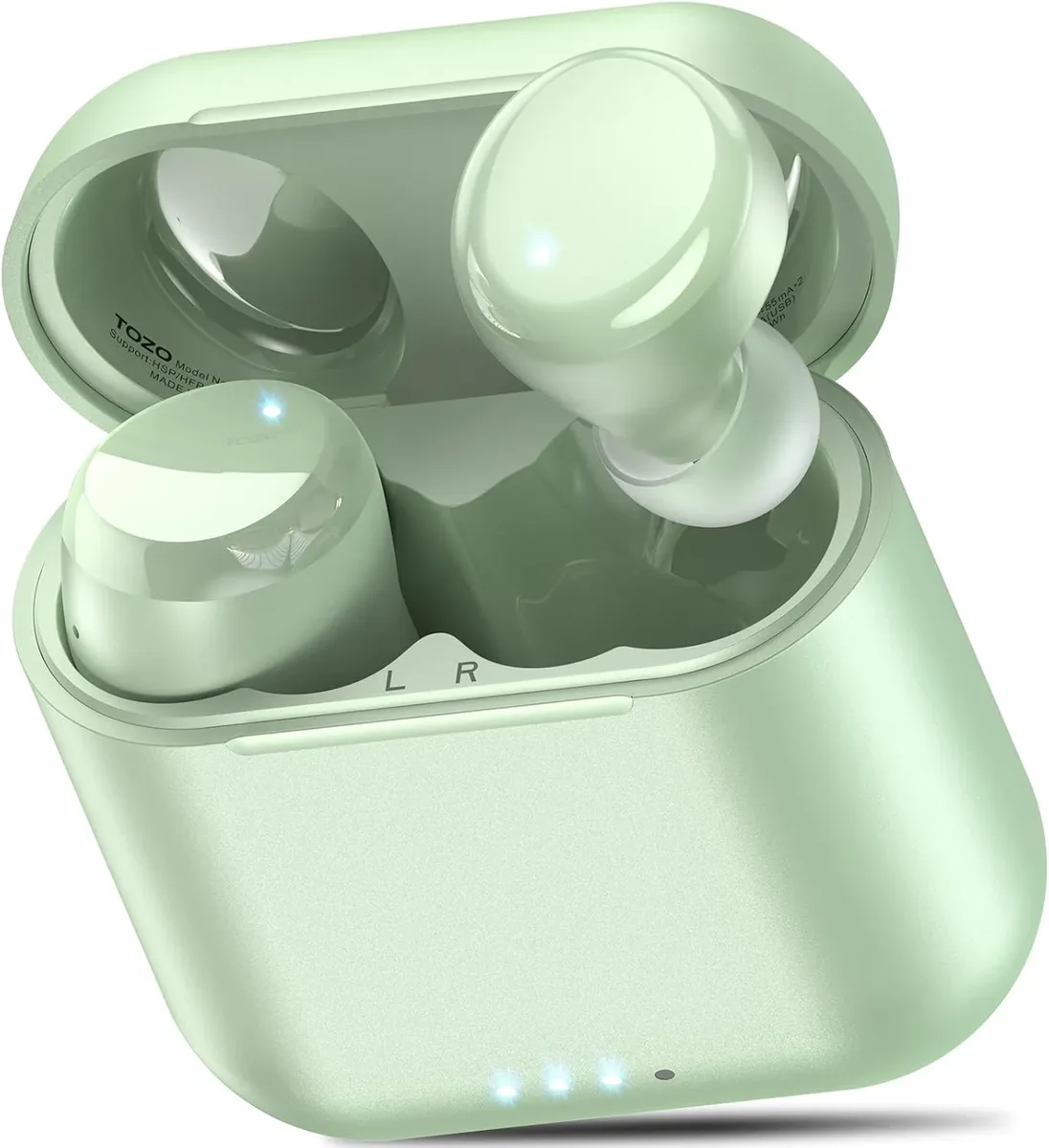
TOZO T6
The T6 is one of the best-selling earbuds in Amazon history — a quarter-million ratings and counting — and the refreshed version keeps it relevant with Bluetooth 5.3, app EQ with 32 presets, and a claimed 12 hours per charge. The IPX8 rating is the real differentiator: these shrug off rain and sweat that kill other cheap buds, and the case still supports wireless charging at a price where that's almost unheard of. Why it's $26: SBC/AAC only, no ANC or ambient mode, no multipoint, and TOZO's infamous quirk where volume resets to a blaring default on every reconnect still annoys longtime owners. Touch controls are oversensitive, and the mic is fine for quick calls but not meetings. The bass-heavy OrigX tuning flatters pop and hip-hop. As a durable, replaceable workout bud, the T6 endures because it nails the basics.

CMF by Nothing
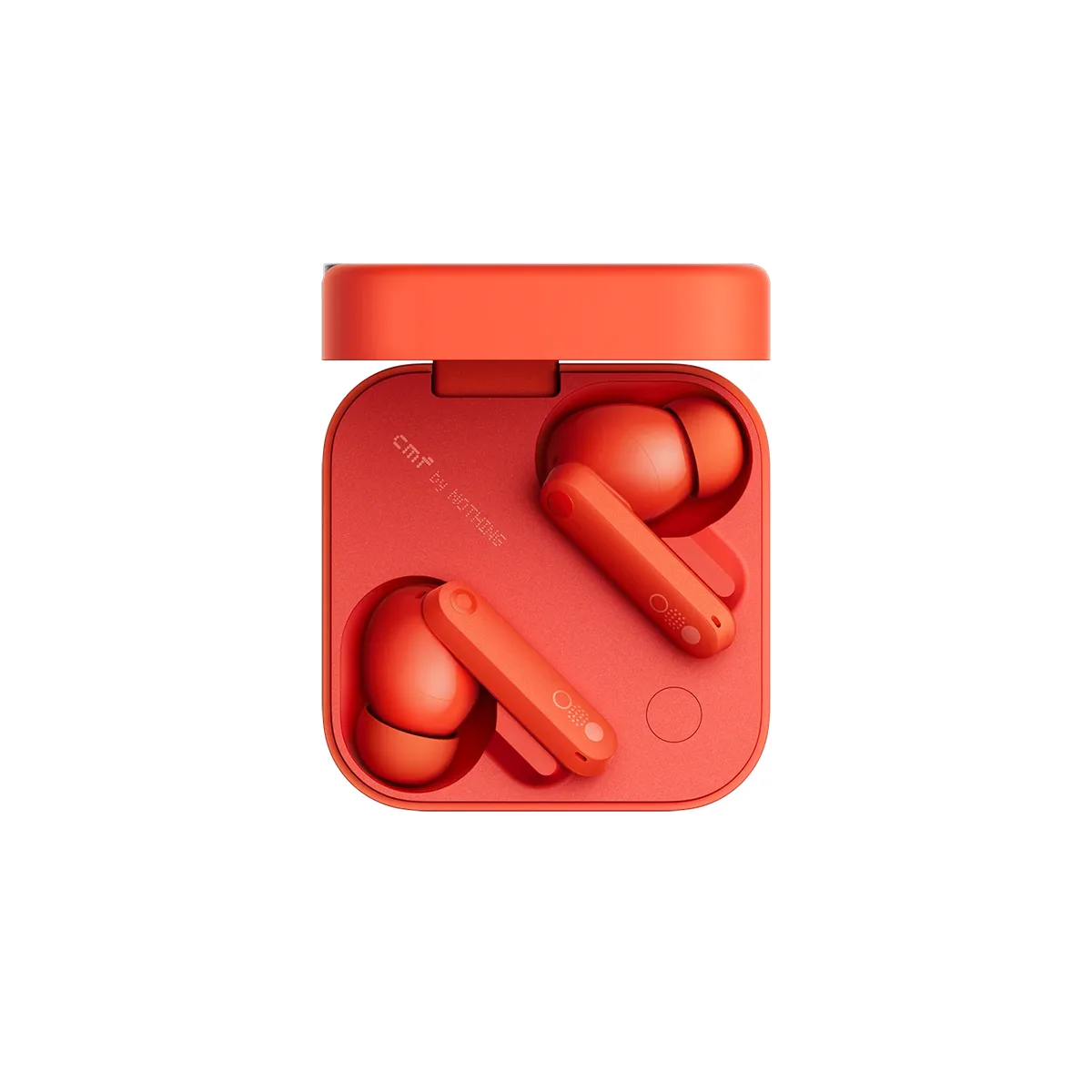
CMF by Nothing Buds Pro 2
Nothing's budget sub-brand packs the Buds Pro 2 with an 11mm woofer plus 6mm tweeter per side, LDAC, 50dB adaptive ANC, a spatial audio mode, and the party trick: a Smart Dial on the case that twists to adjust volume or toggle modes. The Nothing X app is one of the best in budget audio, with genuinely useful EQ control. Reality checks from owners: the ANC is good-not-great against voices, the spatial audio effect sounds diffuse and most people turn it off, LDAC disables dual-device connection, and the case — while the buds themselves are IP55 — is bare plastic that scuffs quickly. Mics get shouty in wind. Battery runs 6.5 hours with ANC on and 43 total. The price yo-yos between $37 sales and $59 regular, and at the low end these embarrass buds twice the price.

Beats
Beats Flex
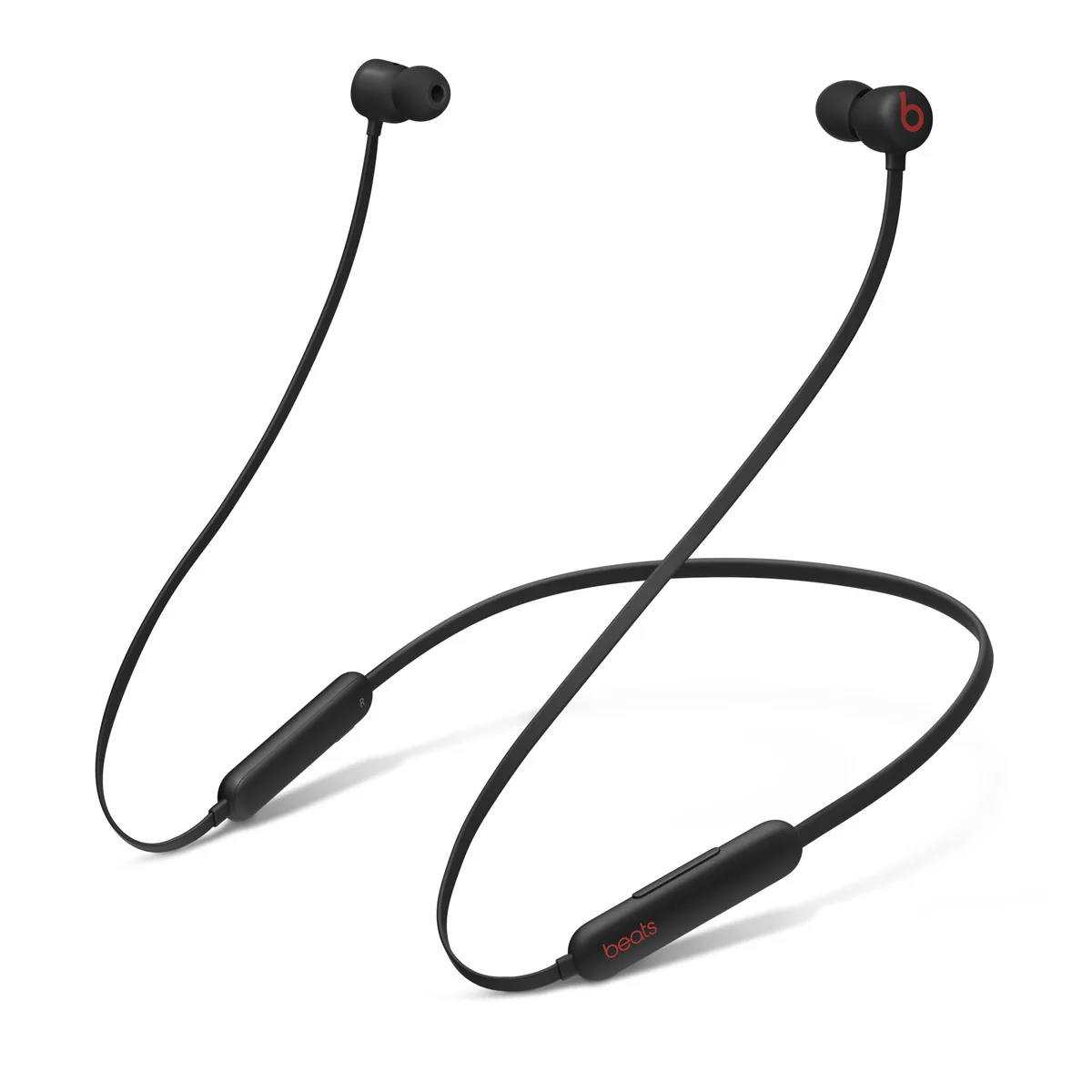
The Flex is the last neckband standing in Apple's lineup, and it persists because the format still solves problems true wireless can't: 18.6 grams total (the weight listed is the whole neckband unit, not per bud), nothing falls out or gets lost, the magnetic buds click together to auto-pause, and one USB-C charge covers a 12-hour day. The W1 chip gives instant pairing and iCloud device switching on Apple gear; on Android it's ordinary Bluetooth with SBC/AAC. Be clear about what $40 buys: no ANC, no transparency, no charging case top-ups, and no official sweat resistance — treadmill users report dead units, and water damage isn't covered. The inline remote is plasticky and the cable snags on collars. Long-term owners praise the reliability but note battery capacity fades after a couple of years of daily charging.

Sony
Sony WH-1000XM5
Now that the XM6 exists, the XM5 has become the value play — routinely dipping to around $248 on Amazon, nearly $150 under its original price. The ANC and warm, bass-forward tuning still hold up against anything in this bracket, multipoint works reliably, and at 250g it disappears on your head. But know the ownership record: the non-folding design means a bulky case, and there are widespread reports of the headband stems cracking at the hinge after a year or two — enough that it spawned class-action chatter. Touch controls can misfire in cold or humid weather, and the smooth plastic scuffs easily. If you can live with babying the hinges, this is a lot of flagship for mid-range money; if you're rough on gear, the XM6's return to folding metal hinges is worth the premium.

Sonos
Sonos Ace
Sonos' first headphone launched at $449 into the middle of the company's app meltdown, and the market never forgave it — which is why it now routinely sells around $279, where it's a legitimately great buy. The build is the class of the field short of AirPods Max: stainless steel, memory foam, and 312g that wears lighter than it sounds. Sound is refined and spacious, aptX Lossless works with Snapdragon phones, and TV Audio Swap — beaming your soundbar's audio to the headphones with Dolby Atmos head tracking — is the killer feature. The catch: Swap requires owning a Sonos Arc, Beam, or Ray, and unlike Sonos speakers it can't join whole-home audio over WiFi. ANC is solid but a tier below Bose and Sony, and the app's reputation still trails the hardware. At street price, easy to recommend.

Sennheiser
Sennheiser Momentum 4 Wireless
The Momentum 4's headline stat remains unbeaten in the flagship class: 60 hours of battery with ANC on — double Sony and Bose — plus 6 more hours from a 10-minute top-up. Owners consistently rate the sound among the best of any wireless over-ear: big 42mm drivers, a rich but detailed tuning, and a genuinely useful parametric-style EQ in the Smart Control app. Street price around $220 makes it a steal. The trade-offs are well documented: adaptive ANC is a clear step behind Bose and the XM6, the all-touch control scheme misfires often enough that many owners disable auto-pause, wind noise pickup is bad on calls, and the anonymous design abandoned the old Momentum's retro charm. Some units also drain battery in standby until you toggle auto-off in the app. If sound-per-dollar and battery matter most, this is the pick.

Marshall
Marshall Monitor III A.N.C.
Marshall's flagship is the battery champion of this entire list: 70 hours with ANC on, 100-plus with it off, and a 15-minute charge buys 12 more hours. The vinyl-textured, guitar-amp styling is divisive but distinctive, the brass joystick handles every control without touch-surface guesswork, and at 250g with a folding design it travels well. Owners praise the energetic, rock-friendly tuning — helped by Soundstage spatial audio and a proper app EQ — though the 32mm drivers can sound congested next to the Px7 S3. The honest downsides: ANC is a clear tier below Bose and Sony (fine for offices, modest on planes), codec support is bare-bones SBC/AAC despite the LE Audio-ready Bluetooth 5.3 silicon, and the clamp runs tight for the first weeks. Street price around $250 undercuts the flagships it borrows features from.

Soundcore
Anker Soundcore Space One
The Space One reads like a spec-sheet ambush: adaptive ANC, LDAC, multipoint, wear detection, and 40 hours with ANC on, usually for around $80. The noise cancelling is genuinely strong for the class — Soundcore's voice-reduction push means it handles chatter better than the JBL Tune 770NC — though you can hear a faint hiss in quiet rooms. Out of the box the tuning is deeply bass-heavy, and the Soundcore app's excellent custom EQ is basically mandatory. Build is all plastic with a slightly toylike headband slider, and clamp force is firm until it breaks in; pads are roomy but shallow. LDAC works, but you trade battery life and a bit of connection stability for it. Call quality is mediocre in noise despite the AI mic marketing. For under $100 it's one of the most complete feature sets in headphones, flaws included.

Soundcore
Anker Soundcore Space Q45
The Space Q45 is Soundcore's travel workhorse: 50 hours with ANC on, three-stage adaptive noise cancelling that legitimately embarrasses some headphones at twice the price on airplane drone, plus LDAC, multipoint, and a folding frame with a proper case. Street price bounces between $90 and $150, so patient buyers should wait for the frequent 40%-off deals. The catch list is honest but tolerable: it's heavier than it looks at roughly 292 grams, clamp is tight on larger heads for the first weeks, and the default V-shaped tuning has boomy mid-bass that needs the app EQ to sort out. ANC adds a touch of ear pressure and hiss in silence, and the mics are merely okay for calls. Versus the cheaper Space One you're buying more battery, stronger low-frequency ANC, and a sturdier build. For long-haul economy seats, it's a bargain.

Sony
Sony WH-CH720N
The WH-CH720N is what happens when Sony puts its flagship V1 noise-cancelling processor in a $180-list headphone that actually sells for $87-95. At 192 grams it's one of the lightest ANC over-ears made, and that's its superpower — people who find the XM5 or Bose heavy wear this all day and forget it's on. The ANC is genuinely good on low rumble, merely okay on voices and clatter, and there's some hiss. Sound is balanced-warm and clean, though the bass is a bit loose and the 30mm drivers won't wow anyone before EQ in the Headphones Connect app. The weight savings come from frankly hollow-feeling plastic that creaks when flexed, and the headband padding is minimal. It doesn't fold, only swivels flat. Battery is 35 hours with ANC on — fine, not class-leading. A 3.5mm jack is included. Comfort-first ANC, done cheap.

Sennheiser
Sennheiser Accentum Plus
The Accentum Plus is the budget gateway to Sennheiser's house sound: refined, balanced, less bass-bloated than anything else in this price bracket, with aptX Adaptive for Android users and a legitimate 50-hour battery with ANC running. Street price has settled around $130 from a $230 list, which changes the value math entirely. The adaptive hybrid ANC is competent — good on steady rumble, a clear step behind Sony and Bose flagships on voices — and wind handling is weak. The understated matte-plastic build is light at 227 grams but feels unremarkable for the brand, the earcups only swivel flat rather than folding, and there's no wear detection, so music keeps playing when you take them off. Touch controls work but occasionally misread swipes. The Smart Control app adds a 5-band EQ and multipoint management. If sound quality per dollar is the priority, this is the pick of the batch.

Shokz
Shokz OpenFit 2
Shokz's earhook buds, not bone conduction — a tiny air-conduction speaker floats over your ear canal, so sound quality is a clear step up from the OpenRun line. DualBoost dual drivers give these more low-end than the first OpenFit, though physics still applies: bass is polite, not punchy, because nothing seals your ear. At 9.4g each with ultra-soft silicone hooks, owners regularly forget they're wearing them, and they coexist with glasses better than most hook designs. Eleven hours per charge is best-in-class for the style, with 48 total from the case. Shokz added a real physical button this generation, fixing the flaky touch controls people hated on gen one. Leakage is modest but present — coworkers will hear a whisper of your podcast in a silent office. No wireless charging; that's reserved for the pricier OpenFit 2+.

Shokz
Shokz OpenMove
The cheapest way into real bone conduction, and it's been the gateway drug for years. The 29g titanium band is the same basic recipe as the expensive Shokz: transducers rest on your cheekbones, ears stay completely open, and IP55 shrugs off sweat and rain. The cuts are honest — six hours of battery instead of twelve, older-generation transducers with noticeably thinner bass, and more of the trademark tickle when you push the volume. It streams SBC only and skips the Shokz app entirely; EQ is three on-device modes (Standard, Vocal Booster, Earplug) toggled by holding the volume buttons, which nobody remembers how to do. It does support multipoint and charges over USB-C, both unusual at this price. Leakage is audible in quiet rooms. If you're bone-conduction-curious, spend $80 here before committing $180 to the OpenRun Pro 2.

Soundcore
Soundcore AeroClip
Anker's answer to the Bose Ultra Open at half the money: a 6g cuff with a memory-titanium wire core that clips to the edge of your ear, rated for 20,000 bends. Because nothing hooks over the top of your ear, these are the glasses-friendliest sports buds in this list — sunglasses and hearing-aid wearers gravitate to the clip format for exactly that reason. You get LDAC, multipoint, and Bluetooth 5.4, plus a 12mm titanium-coated driver that sounds warm and pleasant, if clearly a tier below Bose's tuning. Eight hours per charge and 32 total is fine, but the case skips wireless charging. The honest downsides: bass is gentle (open-ear physics again), the cuff can slowly rotate out of position during burpees or floor work, and call quality drops outdoors in wind despite the four-mic array. At its frequent $99 street price, it's the smart-money clip-on.

Five drivers per side — a 10mm dynamic plus four balanced armatures — for under fifty bucks is the KZ pitch, and the ZS10 Pro delivers a genuinely fun, energetic V-shaped sound that got a lot of people into IEMs. At 24 ohms and 111dB sensitivity your phone drives it easily; no amp needed. Now the honest part: KZ quality control is a known lottery. Most sets are fine, but channel imbalance and driver failures show up in reviews at a rate you don't see from bigger brands, so buy from a seller with easy returns. The upper treble has peaks that get spicy at volume, the stock cable is thin and tangly (it's a standard 0.75mm 2-pin, so upgrades are cheap), and the accessory kit is bare. As a first IEM or a beater set, it's still an easy yes.

Heads up: despite sitting next to wireless kids models, the JBuddies Learn is wired-only — a 3.5mm nylon cord and no battery, which for school is actually the feature. Nothing to charge, nothing to pair, nothing for a six-year-old to lose by Tuesday. The retractable boom mic tucks into the earcup and works better for virtual classes than the muffled built-in mics on most kids headphones. Volume is capped at a fixed 85dB — the responsible number, but be realistic: 85dB for hours is still a lot of sound, and in a loud room kids will max it out. At 125g with folding hinges it fits ages six and up. Sound quality is fine-not-great, which no kid has ever complained about. JLab's lifetime warranty is the sleeper reason parents rebuy — they actually honor it.

Sony
Sony WF-1000XM5
Still the all-rounder to beat for Android users, especially now that the XM6's arrival keeps pushing the price down. The 8.4mm Dynamic Driver X sounds rich and warm out of the box, LDAC delivers genuine hi-res from a phone, and the foam-ish tips seal so well that ANC feels stronger than it measures. Eight hours with noise canceling on is excellent, and 3 minutes in the case buys an hour. The Reddit-consensus complaints are real, though: call quality falls apart in wind, the polished case scratches if you look at it wrong, and a vocal minority reports one bud draining faster than the other after a year-plus. Multipoint works but disables LDAC. The Headphones Connect app EQ is powerful once you find the settings buried three menus deep. IPX4 is fine for gym sweat, nothing more.

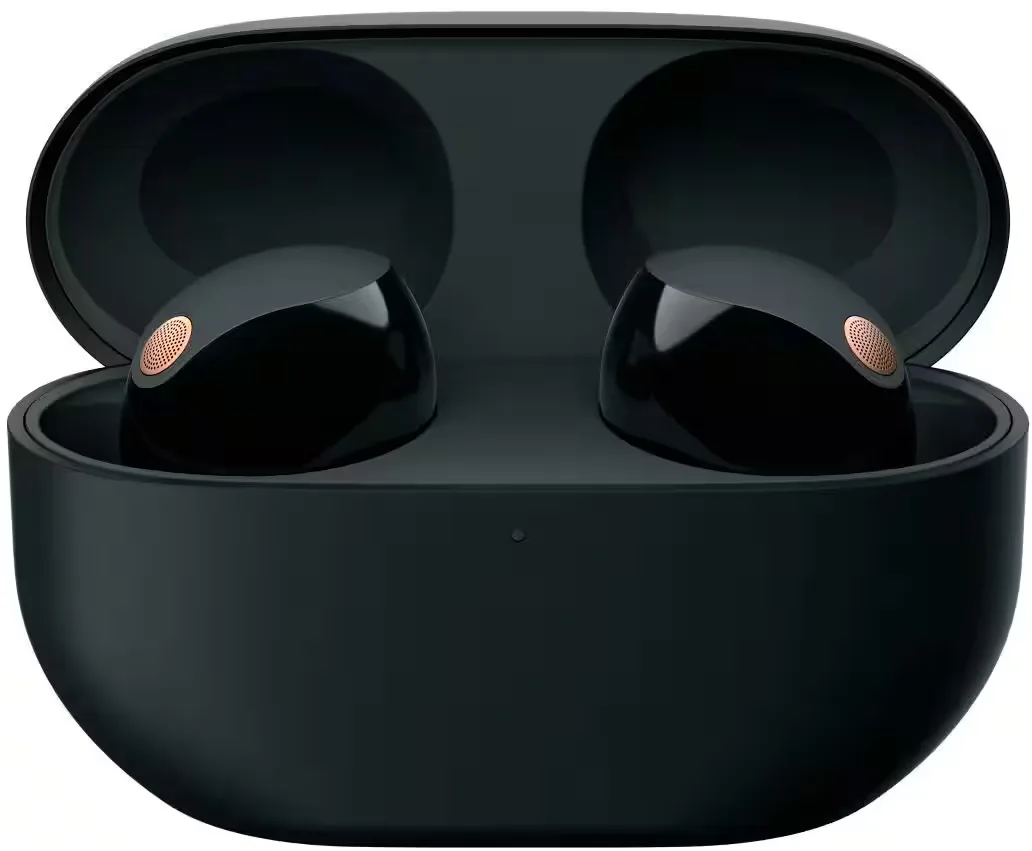
Nobody seriously disputes that these have the strongest noise cancellation you can put in your ears — low rumble just vanishes, and the CustomTune calibration means it works across different ear shapes. The second gen fixed the first gen's most annoying gaps: the case finally charges wirelessly, multipoint is on board, and AI noise suppression cleaned up what used to be mediocre call quality. What Bose didn't fix: 6 hours of battery is behind Sony and Technics, and running Immersive Audio knocks it down near 4. At 7.7g per bud they're chunky, and people with smaller ears feel it on long sessions. No LDAC either — aptX Adaptive on supported Androids, AAC otherwise. Sound is punchy and pleasant rather than audiophile-precise, and the app EQ is a basic three-band affair. Buy them for the silence; everything else is merely good.

Samsung
Samsung Galaxy Buds3 Pro
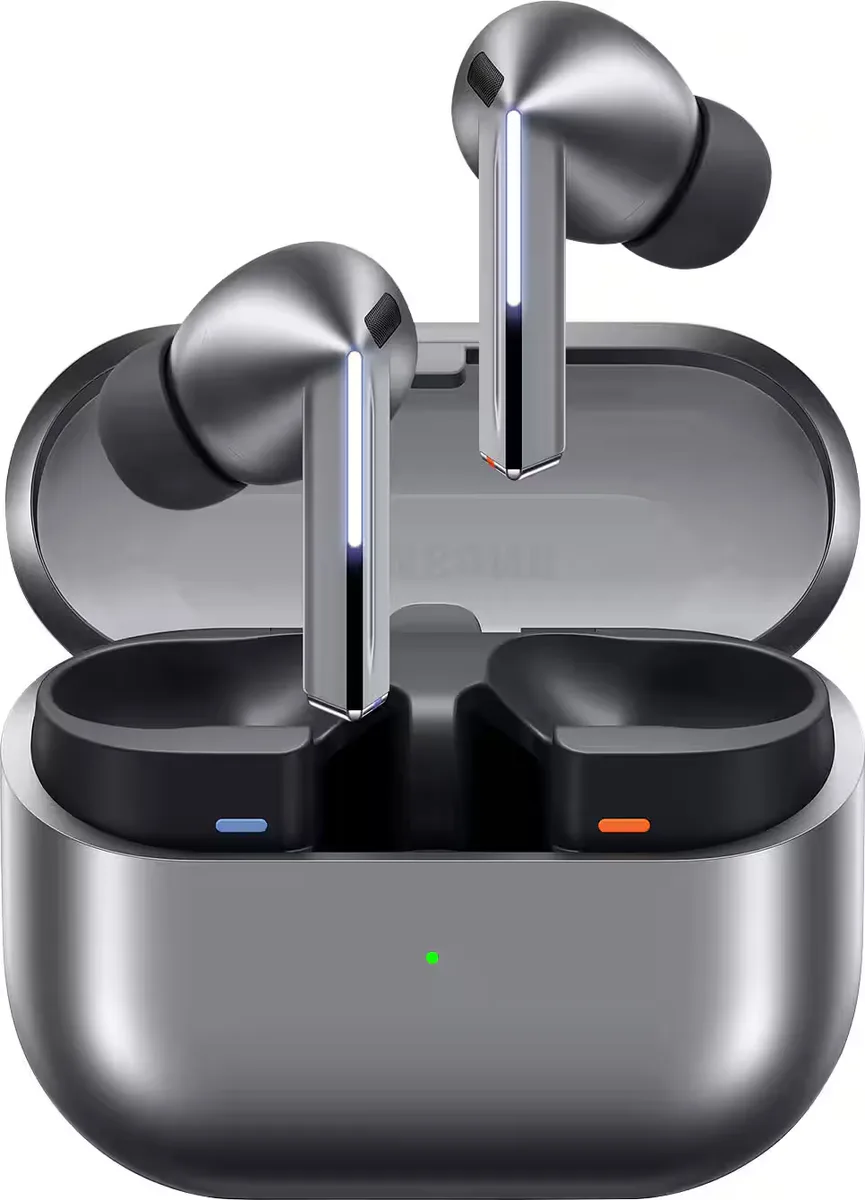
The AirPods-with-stems redesign annoyed Samsung loyalists, but the dual-driver setup — a 10.5mm dynamic woofer plus a 6.1mm planar tweeter — is legitimately one of the best-sounding architectures in this class, and the blade lights are more useful than they look for pinch controls. Here's the catch owners hammer on: the good stuff is walled inside the Galaxy ecosystem. The 24-bit SSC UHQ codec, 360 Audio, and Adaptive ANC tuning need a Samsung phone; on a Pixel you get AAC, and on iPhone there's no app at all. No true multipoint either — only Samsung's own device auto-switching. Battery is a middling 6 hours with ANC, though IP57 is among the most rugged ratings here. Early-batch ear-tip tearing from 2024 was fixed. At street prices well under the $250 list, Galaxy owners get a genuine flagship; everyone else is paying for locked doors.
Google Pixel Buds Pro 2
The comfort champions. At 4.7g and 27% smaller than the originals, with a twist-to-adjust stabilizer fin, these are the buds people with small ears keep recommending on Reddit after everything else fell out. The Tensor A1 chip doubled the ANC over gen one — solidly mid-pack now, behind Bose but ahead of most — and 8 hours with ANC plus 30 total is among the best endurance here. Real multipoint works across any two devices, not just Google's. The dealbreaker for audio nerds: SBC and AAC only, no LDAC or aptX, so hi-res streaming is off the table even on a Pixel (LE Audio/LC3 is arriving via updates). Sound is clean and balanced but needs the app's 5-band EQ to add excitement. Gemini voice features are hit-or-miss, and some owners report occasional case-charging quirks. On sale around $169 they're an easy recommendation.

Technics
Technics EAH-AZ100
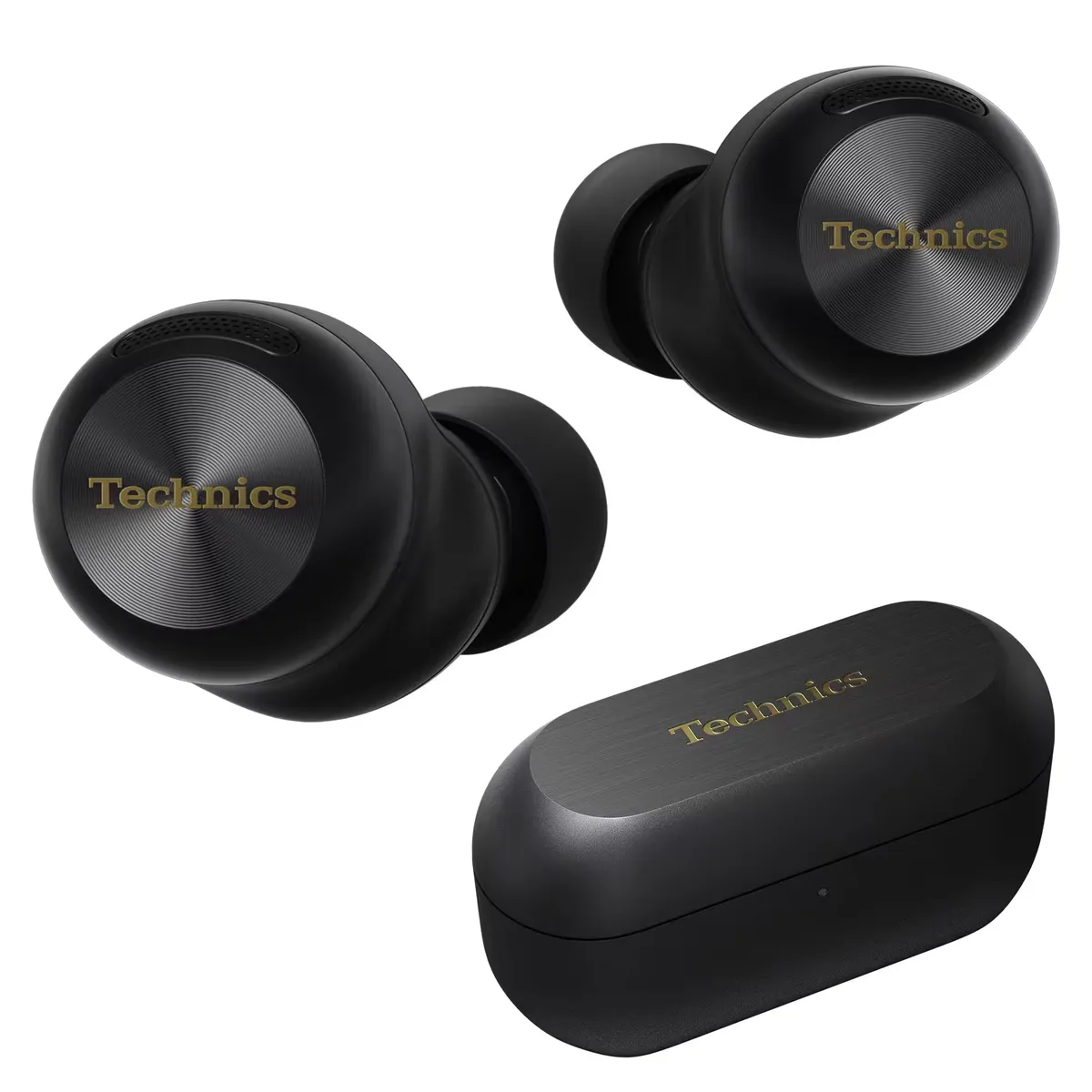
The audiophile-forum darling of this generation. The 10mm magnetic-fluid driver borrowed from Technics' $1,200 wired IEMs produces detail and instrument separation that owners routinely call the best in true wireless, and it does LDAC hi-res while connected to three devices simultaneously — a multipoint trick nobody else matches. Ten hours with ANC on (seven-ish using LDAC) leads the flagship class, and Dolby Atmos head tracking is aboard. Why it isn't the default pick: the Adaptive ANC is clearly a step behind Bose and the AirPods Pro 3 — good on planes, not great — and the shallow-fit housings divide opinion, with some owners never getting a reliable seal. IPX4 is minimal, call quality is average in noise, and the Audio Connect app is functional but clunky. If sound quality outranks silence on your list, this is the one to beat.

Nothing
Nothing Ear (2024)
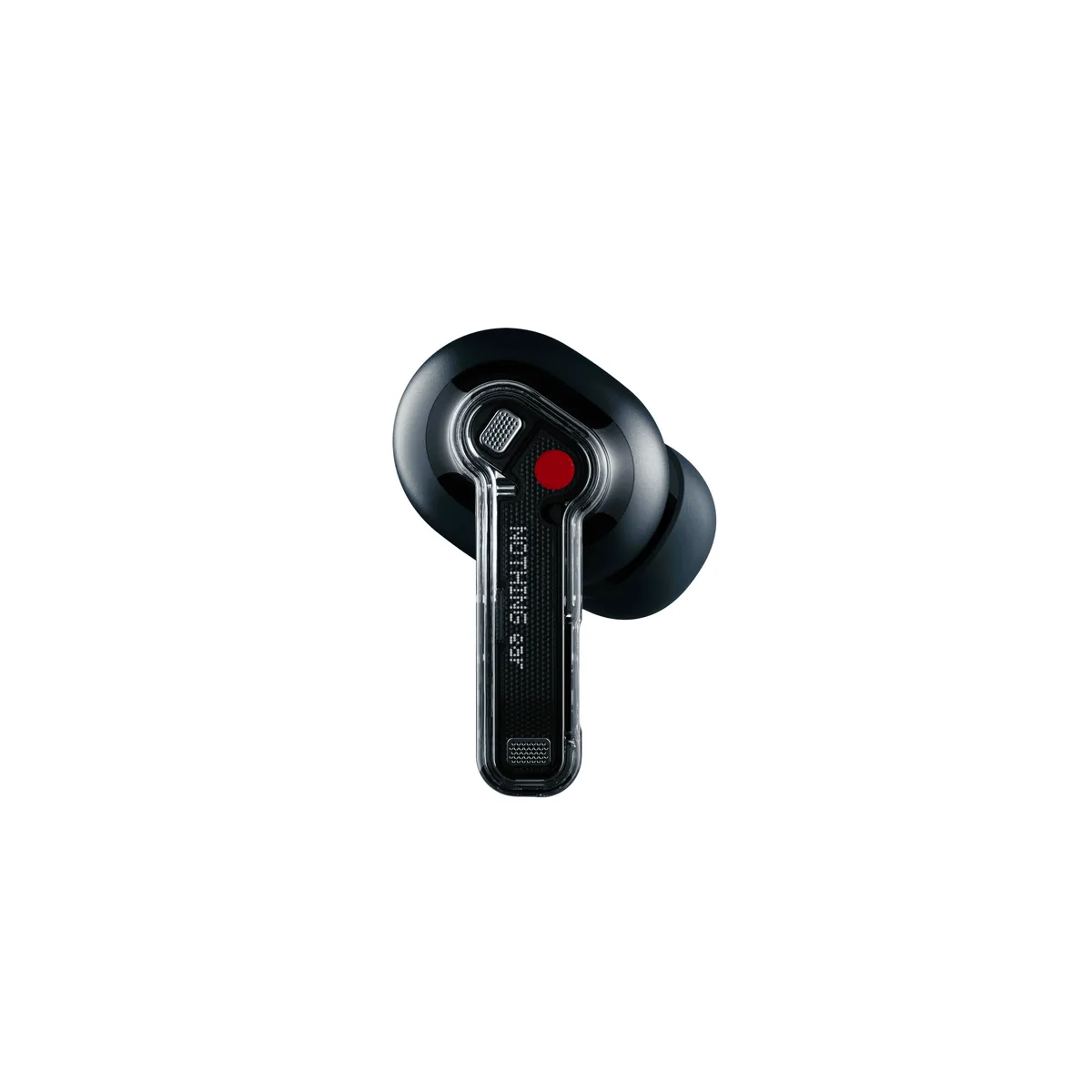
Pound for pound the best value on this list. For way under half the price of the flagships you get an 11mm ceramic-diaphragm driver, both LDAC and LHDC 5.0 hi-res codecs, a genuinely useful 8-band EQ with a custom profile system, multipoint, wireless charging, and the transparent design that still gets comments. The sound is punchy and fun, and surprisingly tweakable. Where the budget shows: 5.2 hours with ANC on is short — commuters notice — and the 45dB Smart ANC handles office hum fine but loses to plane roar. Mics are only okay in wind, and some owners report occasional single-bud connection hiccups that a re-pair fixes. The pinch controls work better than most touch surfaces. No spatial audio, and the ChatGPT integration is a party trick. If you're not paying flagship money, this is what to buy instead.

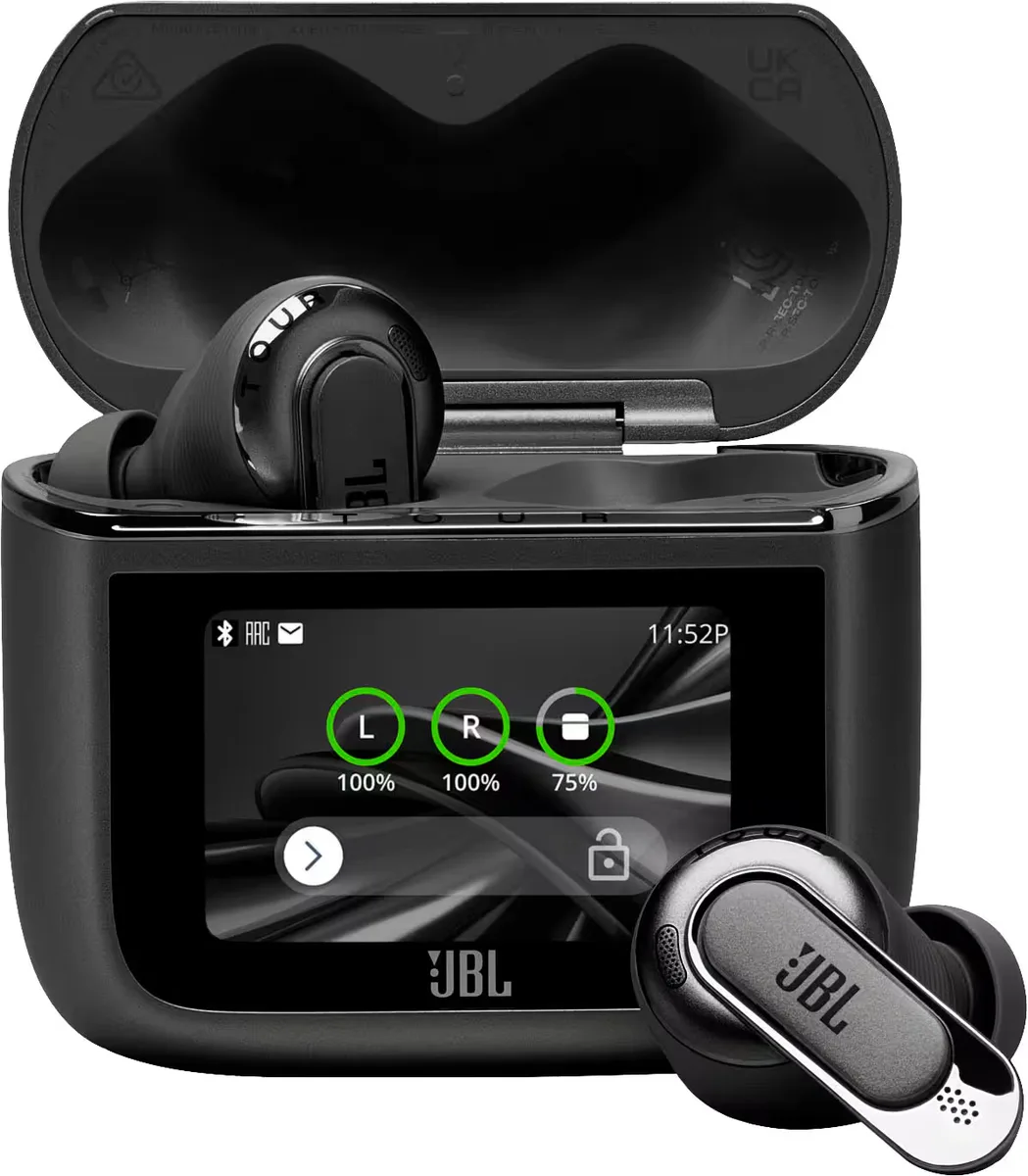
The touchscreen case sounds like a gimmick until you plug it into an airplane seatback and it becomes a wireless transmitter for your buds — frequent flyers say that feature alone justifies the price, and it retransmits over Auracast too. The buds themselves are properly specced: an 11mm dynamic driver plus balanced armature per side, LDAC, 8 hours with ANC, and a monster 44-hour total. True Adaptive ANC 2.0 is solid mid-pack — behind Bose, roughly level with Sony. The honest knocks: out of the box the tuning is bass-heavy V-shape, so plan on living in the 10-band EQ; the 71.8g case is a pocket brick; and the case screen genuinely is unnecessary for daily control once novelty fades. Call quality is above average, and IP55 beats most rivals. If you fly a lot or burn through battery, these make a strong case.

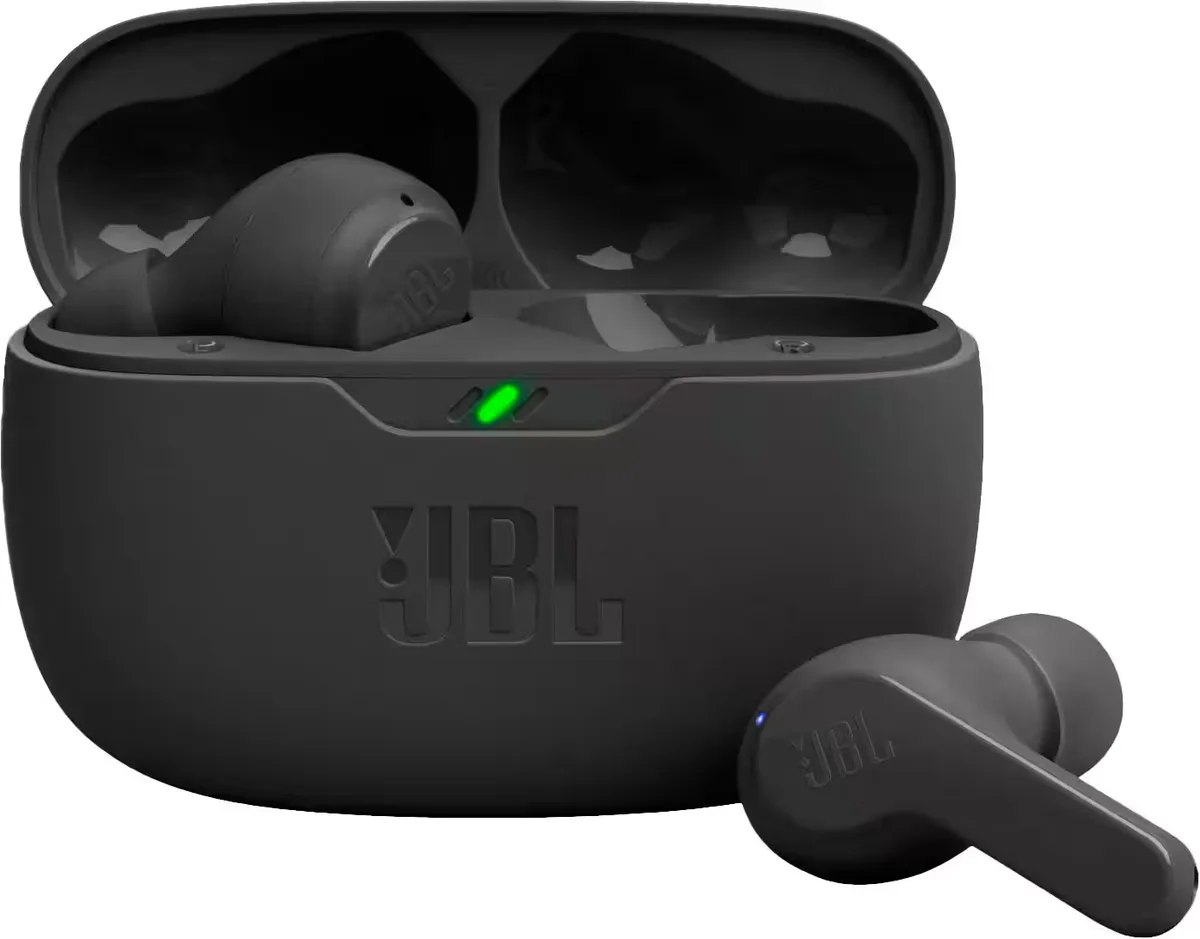
The Vibe Beam is JBL's volume seller — 36,000-plus Amazon ratings at 4.3 stars — and it earns it by doing the unglamorous stuff well. The stick design fits securely, IP54 handles gym sweat, the battery runs a real 8 hours, and unusually for $30 you get Ambient Aware and TalkThru transparency modes plus full EQ customization in the genuinely good JBL Headphones app. What's missing is exactly what you'd guess: no ANC, no multipoint, no wireless charging, SBC/AAC only over Bluetooth 5.2. Owner gripes center on the mic — fine indoors, but windy calls turn robotic — and touch controls that misread taps. A few report that the case's weaker IPX2 rating means a soaked gym bag kills it even when the buds survive. If brand-name reliability matters more than a feature list, this is the safe $30 spend.

Soundcore
Soundcore AeroFit 2
Anker's value play in open-ear, and the spec sheet embarrasses products twice the price: LDAC hi-res streaming, multipoint, wireless charging, 10 hours per charge with 42 total, and a four-position rotating joint so you can aim the 20 x 11.5mm racetrack drivers at your ear canal. That adjustability matters more than it sounds — open-ear bass lives or dies on driver placement, and dialing it in genuinely helps. At 10g per side the hooks are comfortable, though they jostle for real estate with glasses arms more than the Shokz OpenFit 2 does. Sound is respectable but the LDAC badge oversells it; you're still listening to speakers hovering outside your ear, so bass stays light and leakage is audible near others. Mics are just okay in wind. Street price hovers around $70, which makes the flaws easy to forgive.

Thirty dollars, earhooks, eight hours per charge, IP55 — the value math here is absurd, which is why these show up in every budget-gym-buds thread. The 6.2g buds stay put through anything, and the case has JLab's signature party trick: an integrated USB-A cable tucked underneath, so there's no cable to lose (and no USB-C, which cuts both ways in 2026). Sound from the 6mm drivers is bass-forward and a little rough, with audible hiss on quiet tracks; you cycle three EQ presets (Signature, Balanced, Bass Boost) by tapping, since there's no app support on this model. Touch controls are oversensitive — adjusting a bud often skips a track. No multipoint, no transparency, and calls are passable indoors only. None of that matters much at this price: buy them as beater buds for the gym bag and be pleasantly surprised.

TOZO
TOZO OpenReal
Looks like bone conduction, isn't: the OpenReal is an air-conduction neckband, with 16.2mm dynamic drivers sitting just in front of your ears on a 29g Shokz-style band. That's actually good news for sound — no cheekbone tickle, and noticeably fuller mids than true bone conduction at this price. Sixteen hours of battery embarrasses the six-hour OpenMove it undercuts, and the TOZO app brings 32 EQ presets. Now the compromises: it charges through a proprietary magnetic cable you must not lose, there's no multipoint, and the water rating is muddled — TOZO's site claims IPX8 while the Amazon listing says IPX5, so treat it as sweat-and-rain gear, not swim gear. Leakage is higher than bone conduction since these are literally tiny speakers aimed at your ears. For fifty bucks as open-ear yard-work and running headphones, it's a quiet overachiever.

Soundcore
Anker Soundcore Space A40
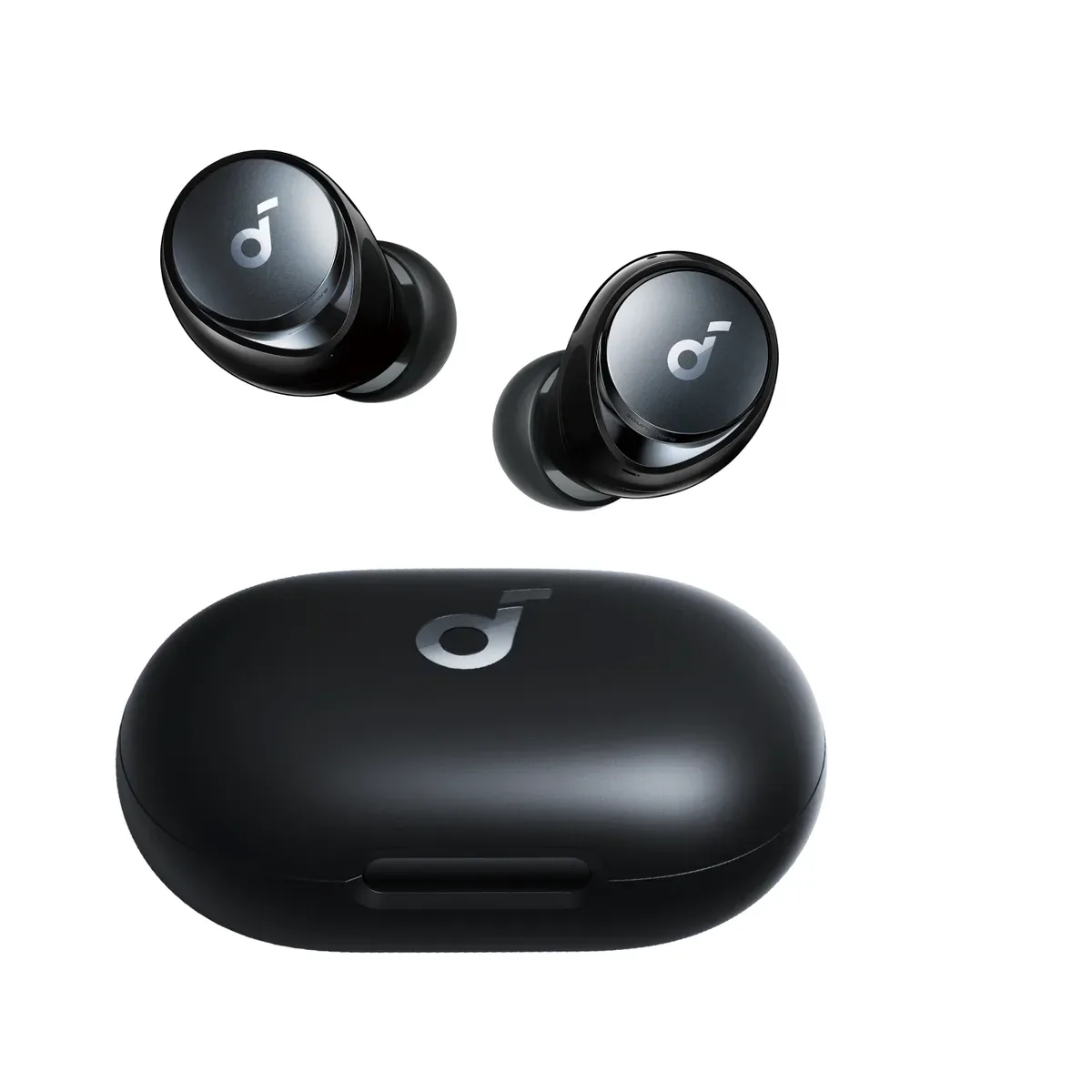
The Space A40 remains the budget ANC benchmark two-plus years after launch, and recurring $45 sales keep it planted on best-seller lists. The adaptive noise cancelling legitimately hangs with buds twice the price, the buds are small enough to sleep on, and you get LDAC, true multipoint, and a wireless-charging case — a spec sheet nothing else at this price matches. Caveats from long-term owners: LDAC drops battery from 8 hours (ANC on) to roughly 5, the touch controls don't cover volume by default and there's no wear detection, and the mics are mediocre for outdoor calls. Some report one bud developing faster battery drain past the one-year mark, which drags the Amazon average to 4.2. If you want maximum ANC per dollar and can live with average call quality, this is still the pick.

Soundcore
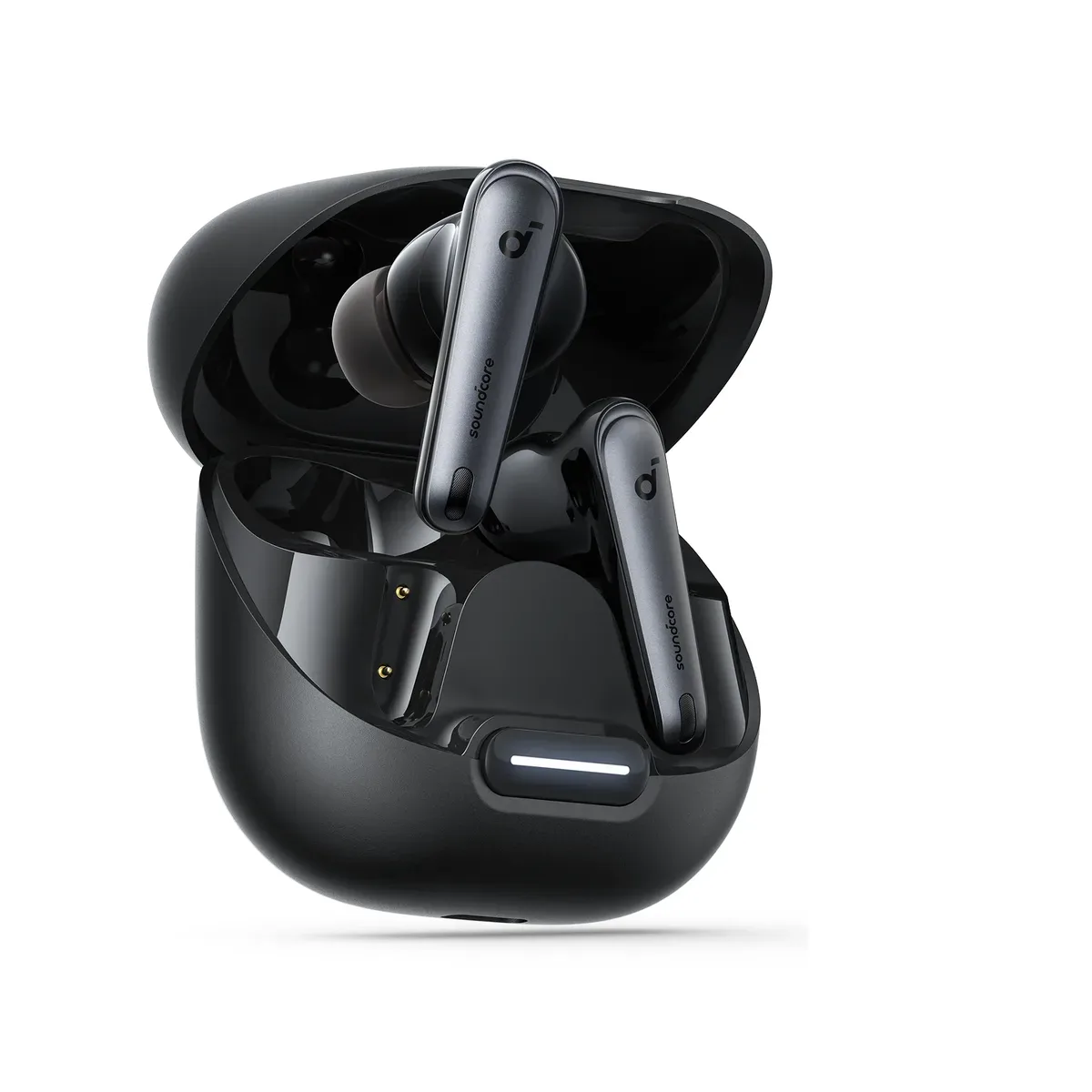
Anker Soundcore Liberty 4 NC
On paper the Liberty 4 NC reads like a $300 flagship: adaptive ANC claiming 98.5% noise reduction, 11mm drivers, LDAC, multipoint, wireless charging, and a 10-minute charge that buys four hours. In practice it delivers most of it — the ANC is genuinely strong, and HearID builds a custom EQ profile that meaningfully improves the default V-shaped tuning. The compromises: LDAC and multipoint can't run simultaneously, the glossy pill case scratches fast, the Soundcore app pushes firmware and promo nags, and the flat oval stems give some ears a loose seal that undermines the ANC. A subset of owners reports noticeable battery fade around the one-year mark, echoing the Space A40. Street price bounces between $57 and $99; anywhere near the low end it's one of the best-value ANC buds on Amazon.

Sony
Sony WF-C710N
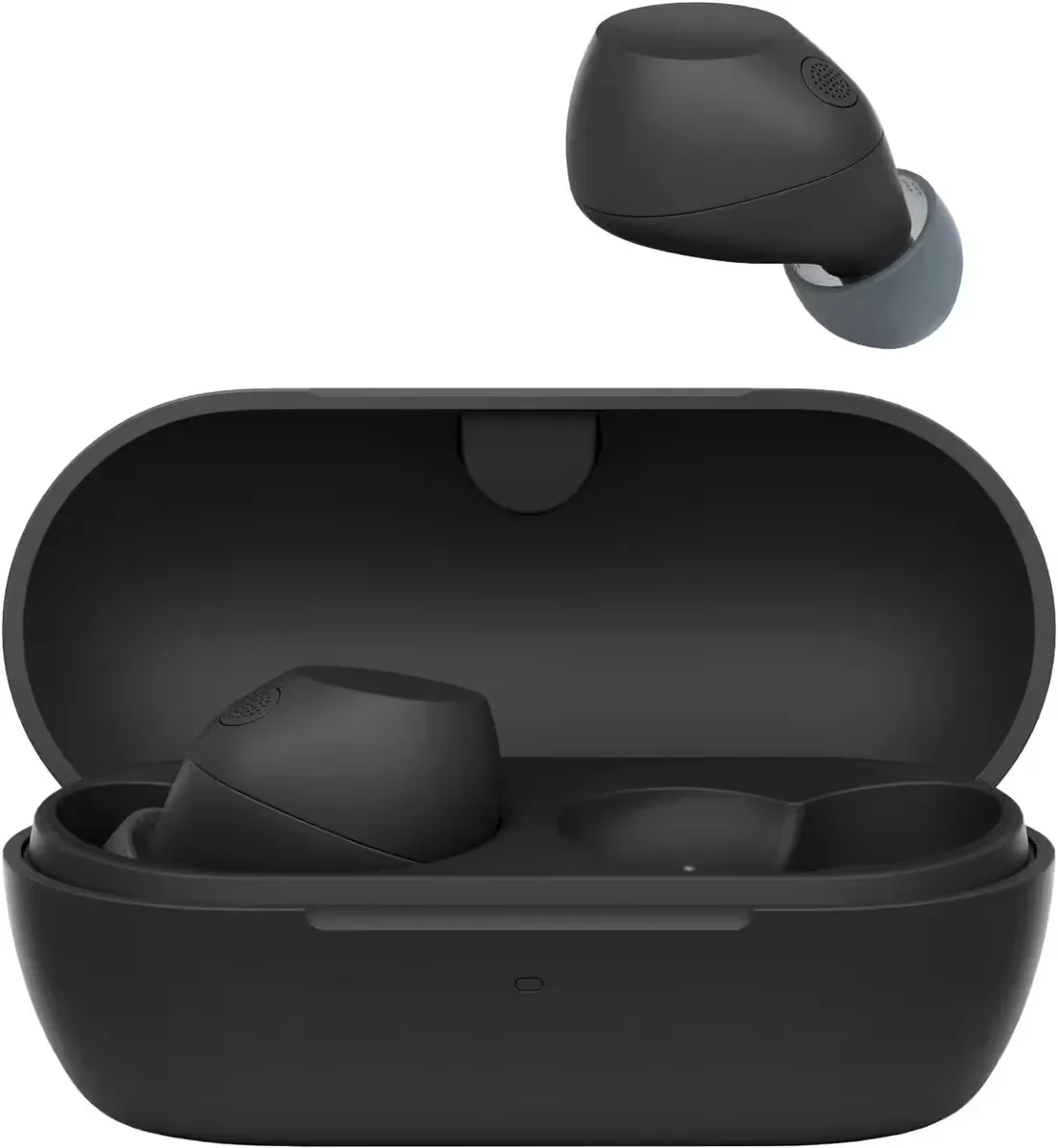
Sony's WF-C710N fixes the two loudest complaints about the beloved WF-C700N: it adds multipoint and touch controls, and stretches ANC battery life to 8.5 hours. The translucent Glass Blue finish became a minor social-media phenomenon, and the ANC — with dual noise sensors — is comfortably among the best in the sub-$100 tier when you catch it on sale from its $120 list. The stingy parts are very Sony: SBC/AAC only (no LDAC on a Sony bud at this price still stings), no wireless charging, no spatial audio, and the buds grew slightly chunkier than the C700N, which smaller ears notice on long sessions. The Sound Connect app is feature-rich but pushy about accounts and notifications. Mic quality is average outdoors in wind. Amazon review volume is still building since the 2025 launch, but sentiment tracks the C700N's strong reputation.

Skullcandy
Skullcandy Dime 3
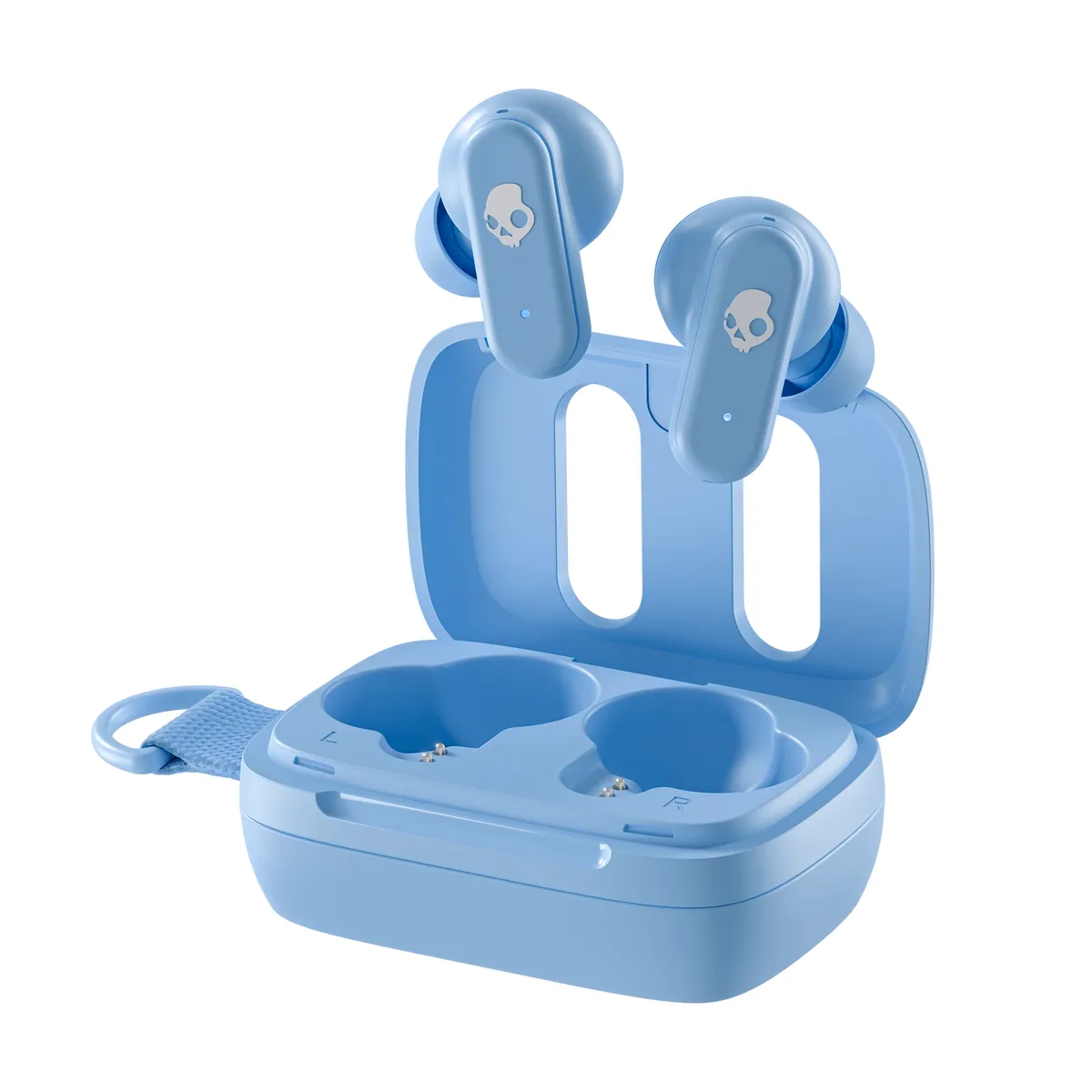
The Dime 3 is the rare $25 bud with multipoint pairing and built-in Tile tracking, and its thumbnail-sized shells fit small ears that bulkier budget buds can't. Sound is warmer and more balanced than the price implies, and three EQ presets (music, bass boost, podcast) cover the basics. The catch is that everything is button-driven: there's no app at all, so remapping controls or fine-tuning EQ isn't possible, and the multi-press combos take memorizing. Battery is a modest 8 hours per charge and 20 total, charging is USB-C only, and the mic is serviceable indoors but wind shreds it. The lanyard-equipped case feels featherweight to the point of flimsy, and IPX4 covers sweat, not submersion. With roughly 8,500 Amazon ratings at 4.2 stars, these are the default cheap, cheerful, losable recommendation.

The durability king of this list: IP68 means dust-proof and survivable for 30 minutes at 1.5 meters in fresh or salt water, a rating almost nothing else in earbuds matches. The bendable PowerHook wraps over your ear and the bud physically can't fall off mid-sprint, though at 12.5g each these are chunky, and glasses wearers will feel the crowding. JBL's Pure Bass tuning is exactly what you'd expect — big, warm low end via 10mm drivers — and the Headphones app EQ can tame it. Ambient Aware and TalkThru handle awareness since nothing this sealed lets sound in naturally. Ten hours per bud and 50 total is excellent. Downsides owners cite: touch controls misfire when sweaty (ironic for gym buds), there's no multipoint or wireless charging, and mids sound recessed out of the box. At around $80 it's the beach-and-pool workout pick.

Sennheiser
Sennheiser Momentum True Wireless 4
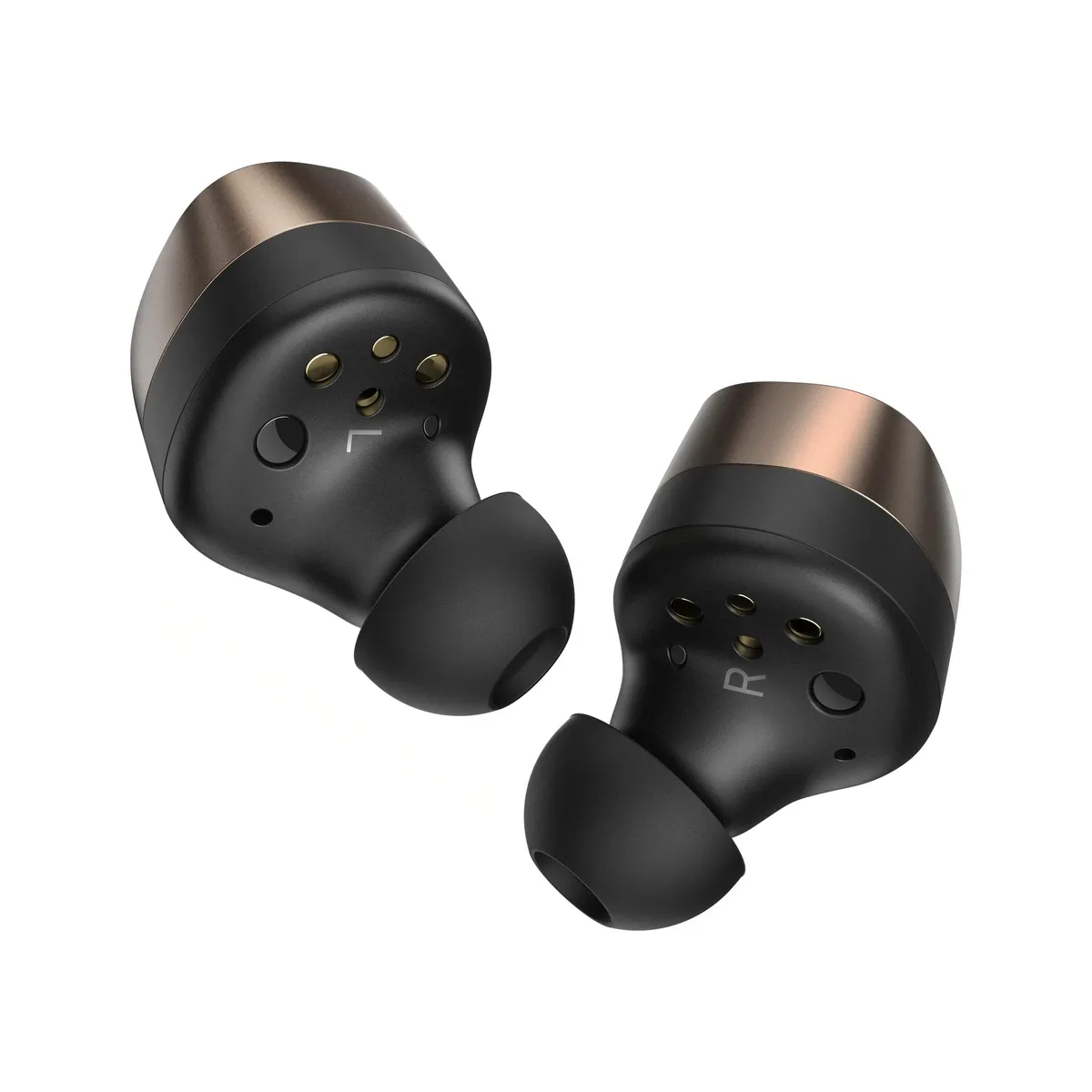
The codec king. If your phone supports aptX Lossless — mostly Snapdragon flagships — this is one of the only earbuds that can play CD-quality audio without compression, and the 7mm TrueResponse driver has the refined, spacious tuning Sennheiser is known for. Seven hours with ANC and 30 total is strong, multipoint works, and the Smart Control app has a proper EQ. The reasons these sit at 4.1 stars instead of 4.5: the chunky 6.2g housings are a genuinely bad fit for smaller ears, and owner threads are full of connection-drop and app-pairing complaints that firmware updates only partly cured. The Adaptive ANC is comfortably mid-tier — noticeably behind Bose and Sony — and call quality is unremarkable. No spatial audio at all, which either matters to you or doesn't. Best bought on the frequent sub-$200 sales, not at the $300 list.

Beats
Beats Studio Buds +
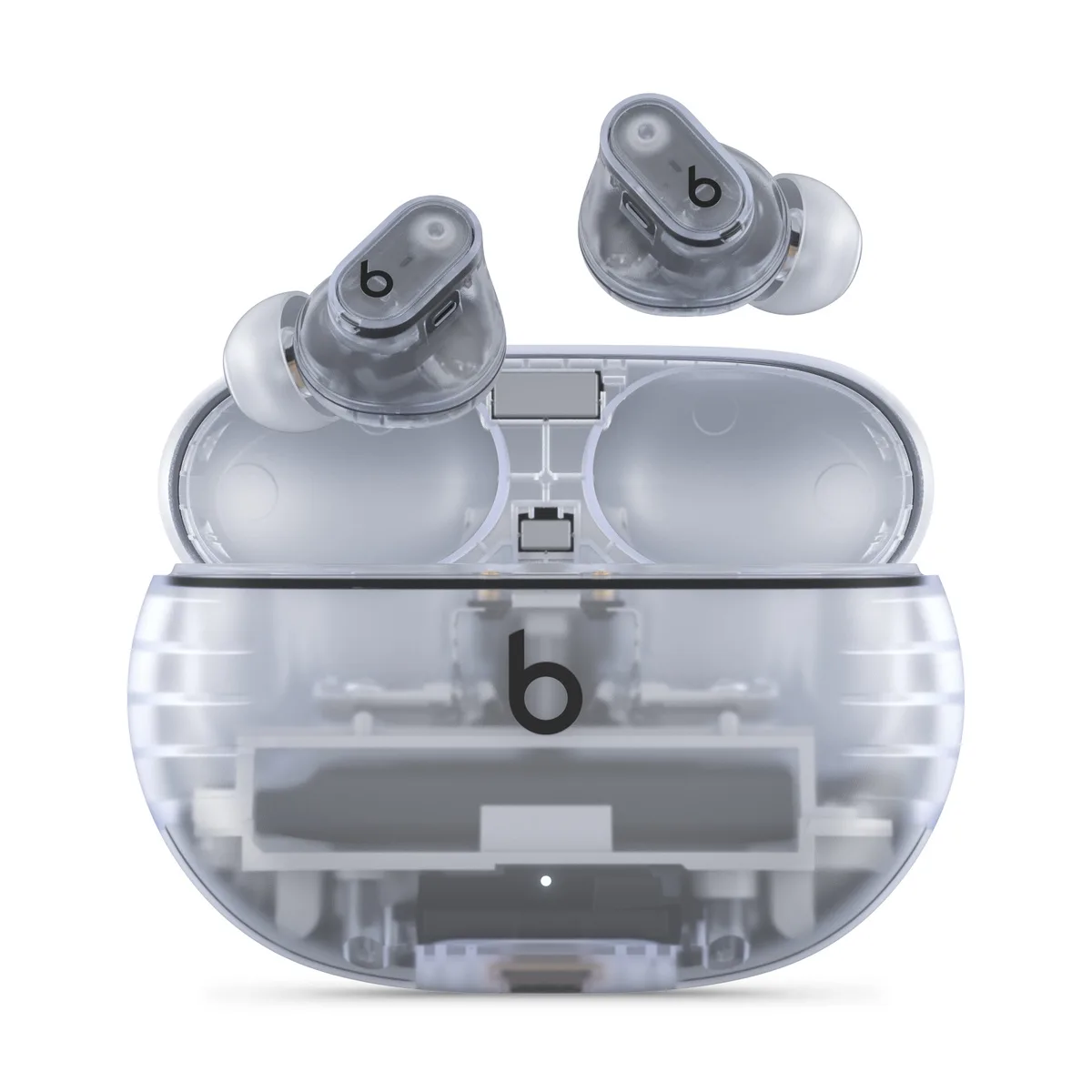
The Studio Buds+ occupy a unique niche: near-native behavior on both platforms, with one-touch pairing and Find My on iPhone plus Fast Pair and Find My Device on Android — no other brand bridges the gap this cleanly. The transparent shell looks great, transparency mode is genuinely natural, spatial audio works with Apple Music, and Fast Fuel adds an hour in five minutes. The compromises are real, though: ANC is noticeably weaker than a Space A40 at half the price, and there's no multipoint, no wireless charging, no wear detection, and no EQ of any kind. Battery runs 6 hours with ANC on, and owners note the 36-hour case total assumes ANC off. The 4.1-star Amazon average reflects intermittent dropout complaints and a left-bud drain issue on early units. At the frequent $100 sale price they make sense; at $170 list they don't.

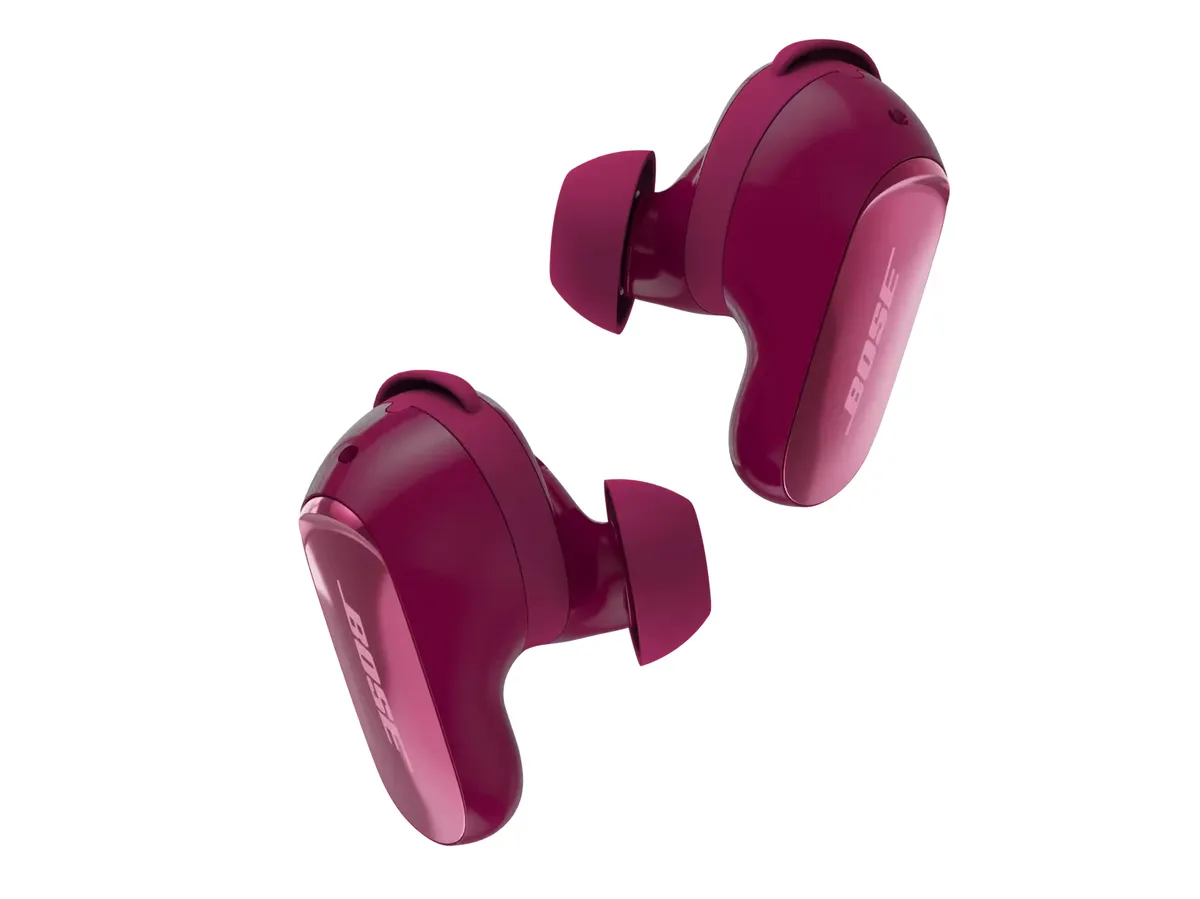
The best-sounding open-ear product, full stop. These 6.4g cuffs clip onto the edge of your ear like jewelry — nothing touches your ear canal — yet Bose wrings out more bass than any hook or band design manages. aptX Adaptive and Snapdragon Sound sweeten the deal on Android, and multipoint arrived via firmware update after a rocky launch without it. The catches: Immersive Audio (Bose's spatial mode) is genuinely fun but cuts battery from 7.5 hours to about 4.5, IPX4 is the weakest water rating in the sports category, and the case has no wireless charging. Some ears find the cuff pinchy after a few hours, and the fit takes a day to learn. Launched at $299; at today's ~$199 they're much easier to recommend. Leakage is low for open-ear, but a quiet office will still hear you.
Headphone Questions, Answered
The things everyone wonders before buying — answered straight, no marketing.
Is active noise cancelling actually worth paying for?
For planes, buses, offices, and city commutes — yes, it's the single biggest quality-of-life difference in modern headphones. ANC kills low-frequency drone (engines, HVAC) far better than it kills voices or clattering keyboards, so set expectations accordingly. Budget ANC ($50-100) now genuinely works; flagship ANC is better mostly at wind handling and high-pitched noise. How ANC really works →
Do Bluetooth codecs like LDAC and aptX actually matter?
Less than spec sheets imply. AAC on an iPhone and LDAC on Android both sound excellent; the audible ceiling is your earbuds' drivers and tuning, not the codec. Where codecs do matter: Android phones handle AAC inconsistently, LDAC drains battery faster and can stutter in crowded areas, and no iPhone supports LDAC or aptX at all — so don't pay extra for a codec your phone can't use. Codec guide →
Should I get earbuds or over-ear headphones?
Earbuds win for portability, workouts, and hot weather; over-ears win for battery life, comfort over long sessions, sound quality per dollar, and ANC strength (a sealed cup blocks more before electronics even switch on). If you're on video calls all day, over-ears with a good mic array are less fatiguing. Plenty of people rationally own one of each. Full tradeoff breakdown →
What is multipoint, and do I need it?
Multipoint keeps your headphones connected to two devices at once — laptop and phone — and switches audio when a call comes in. If you work at a computer and own a phone, it's the feature you'll use every single day, and it's still missing from some expensive models (including AirPods outside the Apple ecosystem). Check the spec table before you buy.
What do IP ratings like IPX4 and IP67 mean for workouts?
The digit after the X (or the second digit) is water: 4 means sweat and rain splashes are fine, 7 means it survives a dunk. The first digit is dust. IPX4 covers gym use; runners in the rain want IPX5+; only IP67+ survives a wash-cycle accident, and nothing covers swimming with Bluetooth anyway — water blocks the signal.
Why do AirPods sound worse on Android?
AirPods leaning features — spatial audio, auto-switching, one-tap pairing, ear-detection — live in Apple's ecosystem, not in the Bluetooth spec, so on Android you get a plain AAC connection with none of it. Sound is close, features aren't. On Android, the equivalents are Galaxy Buds (on Samsung), Pixel Buds (on Pixel), or platform-neutral picks from Sony, Bose, and Anker.
How long do wireless earbuds last before the battery dies for good?
The lithium cells in each bud are tiny and non-replaceable, and heavy daily use typically cuts noticeable capacity in 2-3 years. Nothing you can do prevents it entirely; avoiding heat and not storing them at 0% helps. Over-ear headphones last longer — their bigger cells cycle less — and some (and all wired models) will outlive your phone. When to spend more →
Are $300 headphones really better than $50 ones?
The honest curve: $30-60 now buys genuinely good sound and workable ANC (the budget tier has improved dramatically). $150-250 buys the real jumps — stronger ANC, better mics for calls, multipoint, wireless charging, better fit engineering. Past $300 you're paying for the last 10%: refinement, materials, and ecosystem features. Diminishing returns are real; buy the tier that matches your daily hours. Price-tier breakdown →